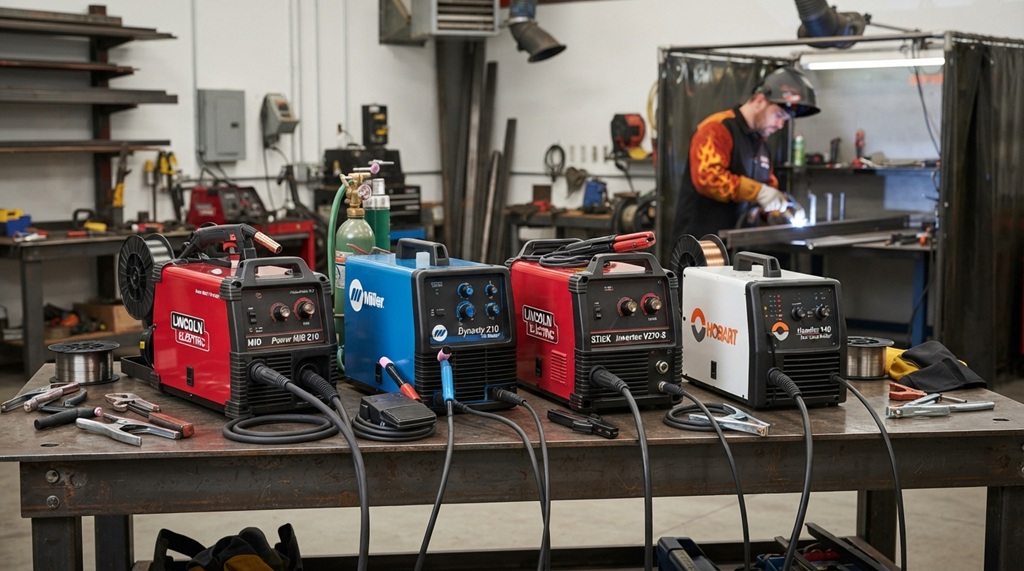

The main types of welding machines are MIG, TIG, Stick, and Flux-Cored welders. Each one suits different metals, jobs, and skill levels. MIG is easiest to learn, TIG gives the cleanest welds, and Stick works best outdoors.
Choosing the wrong machine wastes time and money. It can also leave you with weak, messy welds. This guide explains how each welder works, where it shines, and who should use it.
By the end, you will know which machine fits your projects. You will also learn a few simple rules for matching a welder to your work.
What Are the Main Types of Welding Machines?
There are four common welding machines: MIG, TIG, Stick, and Flux-Cored. Each one uses a different way to melt metal and protect the weld from air.
Here is a quick summary:
- MIG (GMAW): Fast, clean, and beginner friendly.
- TIG (GTAW): Precise and neat, but slower and harder to learn.
- Stick (SMAW): Simple, tough, and great for outdoor work.
- Flux-Cored (FCAW): Powerful, portable, and good for thick metal.
Some newer machines combine several processes in one unit. We will cover those later in this article.
MIG Welders: Fast and Beginner Friendly
A MIG welder feeds a wire electrode through a handheld gun while shielding gas protects the weld. It is the easiest machine to learn, which makes it a favorite for beginners and busy shops.
How MIG Welding Works
You squeeze the trigger, and the machine feeds wire at a steady speed. The wire melts into the joint and forms the weld. A gas such as argon mix keeps air away from the molten metal.
Best Uses for MIG Welders
MIG works well on steel, stainless steel, and aluminum. It handles thin sheet metal and medium plates with ease. Common jobs include:
- Auto body repair
- Fabrication shops
- Home projects like gates and frames
- Light farm and garage repairs
Wind is the main weakness. Even a light breeze can blow the shielding gas away. As a result, MIG is best used indoors or in sheltered spaces.
TIG Welders: Precision and Clean Welds
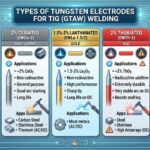
A TIG welder uses a tungsten electrode that does not melt. You add filler metal by hand with your other hand. This process gives you the most control and the cleanest finish of any common method.
How TIG Welding Works
You control the heat with a foot pedal or a hand switch. This lets you adjust power while you weld. Pure argon gas usually shields the weld.
Because you use both hands and a foot, TIG takes more practice. However, the results look neat and strong.
Best Uses for TIG Welders
TIG shines on thin metals and visible welds. It works on steel, stainless steel, aluminum, copper, and titanium. Typical uses include:
- Bike frames and custom exhaust systems
- Aerospace and motorsport parts
- Food-grade stainless equipment
- Art and decorative metalwork
TIG is slower than MIG. Therefore, it is not the best choice for large production jobs.
Stick Welders: Built for Rugged Outdoor Performance
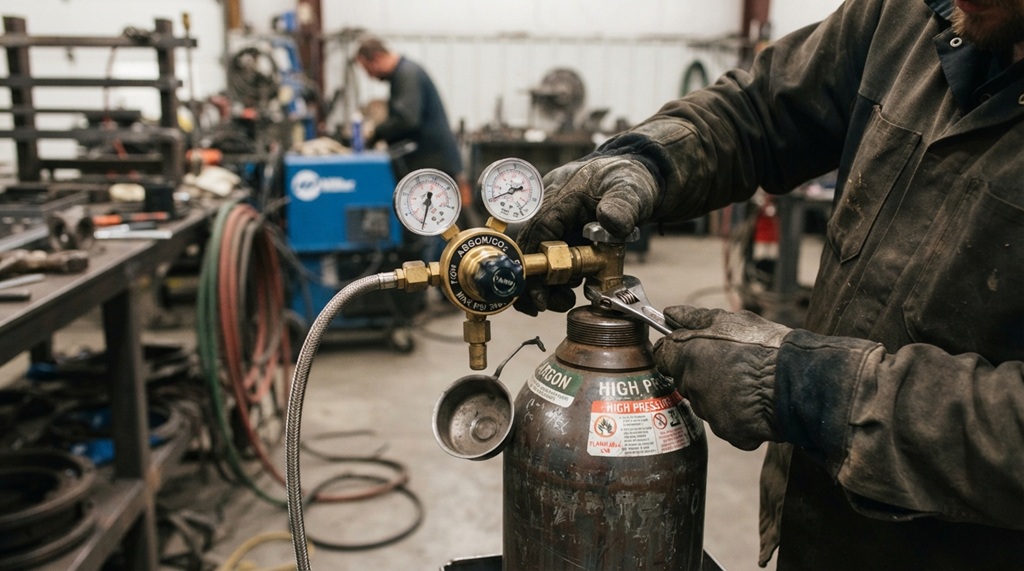
A stick welder relies on a flux-coated consumable electrode that creates its own protective gas shield as it burns, eliminating the need for an external shielding gas bottle and making the unit exceptionally portable and simple to operate in tough field conditions. However, when your projects transition from portable stick welding to gas-shielded processes like MIG or TIG, proper gas management becomes critical to both performance and workplace safety; before powering up your equipment, master the precise procedures for hook up a gas regulator on a welding tank safely to eliminate leak risks and ensure stable pressure control.
Why Stick Welding Still Matters
Stick welders handle wind, rust, and dirty metal better than other types. They are also usually low in cost. That makes them a smart pick for repair work and rough conditions.
Best Uses for Stick Welders
Stick welding suits thicker steel and outdoor work. You will often see it in:
- Construction sites
- Pipeline and structural repairs
- Farm equipment fixes
- Heavy trailers and machinery
The welds need more cleanup, because slag forms over the bead. Thin metal is also harder to weld with a stick, since the arc can burn through it.
Flux-Cored Welders: Power for Thick Metal
A flux-cored welder works like a MIG welder, but the wire has flux inside it. This flux creates its own shield, so you can weld without gas. Many people choose it for thick metal and outdoor jobs.
Some flux-cored wire does use shielding gas. This version gives cleaner welds and is common in industrial shops.
Flux-cored welding offers deep penetration and fast results. It works well on thick steel, heavy repairs, and structural work. On the downside, it makes more smoke and spatter than MIG. You will also need to chip away slag after welding.
Multi-Process Welders: One Machine, Many Options
A multi-process welder can run MIG, TIG, and Stick from one unit. This gives you flexibility without buying three separate machines. It is a good fit for small shops and hobbyists with varied projects.
These machines cost more upfront than a single-process welder. Even so, they often save money over time. They also save space in a crowded garage.
Before you buy one, check the TIG quality. Some budget models do Stick and MIG well, but their TIG performance falls short.
How to Choose the Right Welding Machine
Choose a welder based on your metal type, metal thickness, work location, and budget. Skill level matters too. Ask yourself a few simple questions before buying.
- What metal will I weld most? Aluminum and stainless often call for MIG or TIG.
- How thick is it? Thin metal suits MIG or TIG. Thick metal suits Stick or flux-cored.
- Where will I work? Outdoors, pick Stick or flux-cored. Indoors, any type works.
- What is my power supply? Check whether the machine runs on 120V, 240V, or both.
- How much experience do I have? Beginners usually start with MIG.
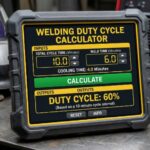
Duty cycle also matters. It tells you how long a machine can weld before it needs to cool. A higher duty cycle suits long, steady work.
Frequently Asked Questions
Which welding machine is best for beginners?
A MIG welder is the best choice for most beginners. It is easy to control and produces clean welds with little practice. A small 120V unit works well for home projects.
Can I weld aluminum with any machine?
No, not every welder handles aluminum well. TIG is the top choice, and MIG works with the right setup. MIG needs argon gas and often a spool gun.
Which welder works best outdoors?
Stick and gas-free flux-cored welders work best outdoors. They do not rely on shielding gas, so wind is less of a problem. Both also tolerate rust and dirt better than MIG or TIG.
Is a multi-process welder worth buying?
A multi-process welder is worth it if you do many types of work. It saves space and often costs less than buying separate machines. Check reviews for TIG performance before you buy.
Conclusion
Each welding machine has a clear strength. MIG is fast and easy, TIG is precise, Stick is rugged, and flux-cored is powerful. Multi-process machines combine several of these in one unit.
Start by looking at your metal, your workspace, and your budget. Then pick the machine that fits most of your jobs. If you are new to welding, a MIG welder is the safest place to start.