
Recent Categories
Recent Posts



Post Archive
Category Tags
Recent Categories
-
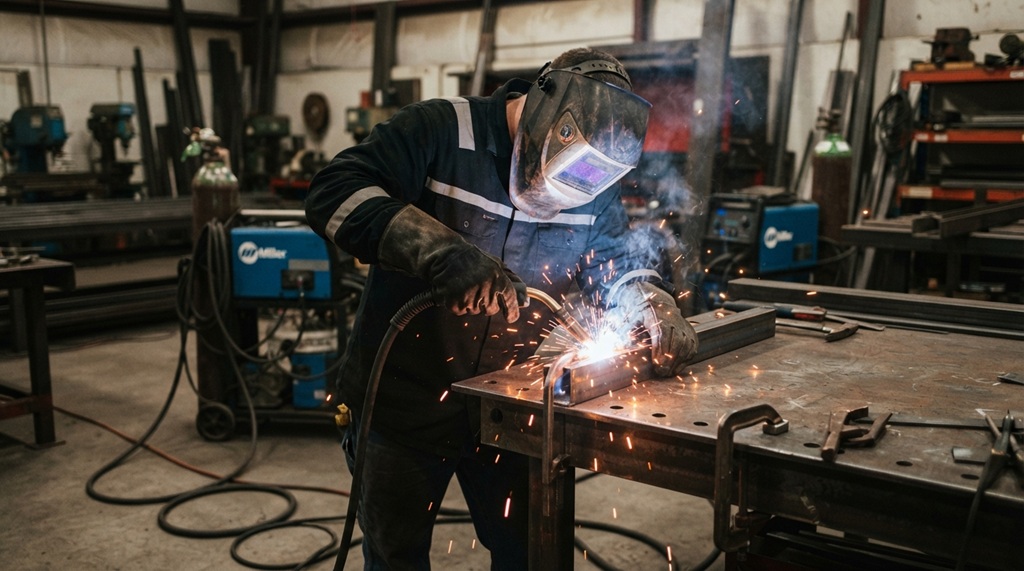
How to Choose Fire Resistant Gear for Safe Metalwork
Fire resistant gear protects you from sparks, spatter, UV radiation, and heat during welding, cutting, and grinding. The right gear depends on your process, your environment, and how long you’re exposed to heat each day. Get this wrong, and you risk burns, melted synthetic fabric, or gear that fails right when you need it most.
-
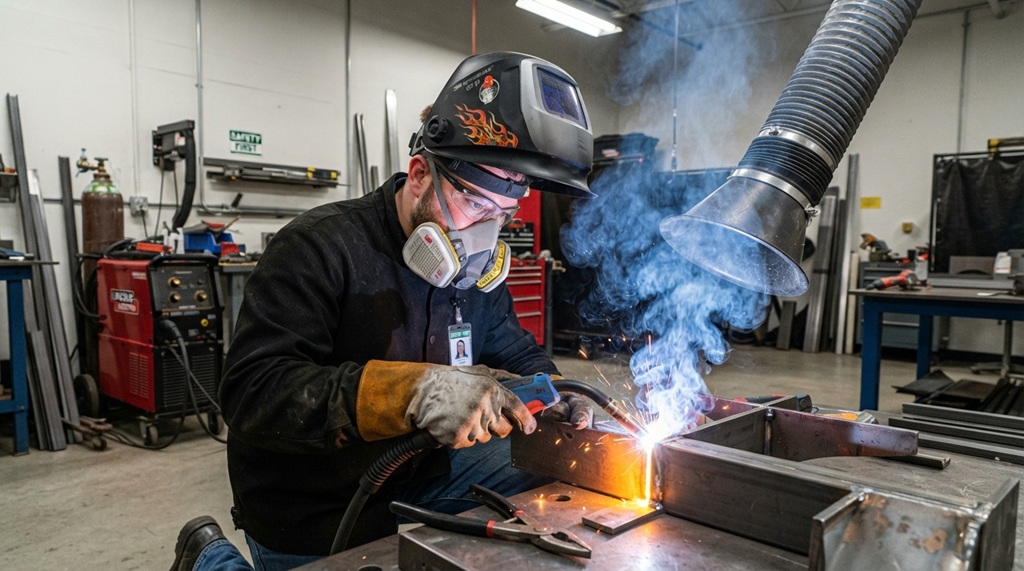
How to Avoid Dangerous Welding Metal Fumes While Working
Welding metal fumes contain fine particles and gases that can damage your lungs, nervous system, and long-term health. You avoid them by improving ventilation, wearing the right respiratory protection, and controlling fume sources at the point they form. This isn’t optional gear-shop advice it’s the difference between a career that lasts decades and one cut…
-
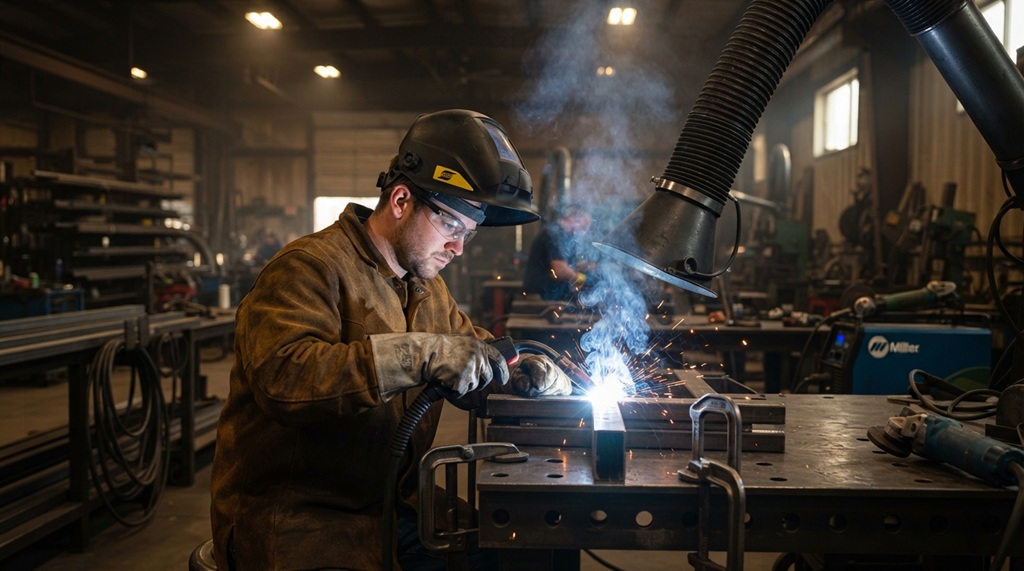
How to Set Up Shop Ventilation for Safe Indoor Welding
Good shop ventilation removes toxic fumes before you breathe them in. It also protects your equipment, your walls, and anyone else working nearby. If you weld indoors without a proper airflow plan, you risk lung damage, metal fume fever, and long-term health problems.
-
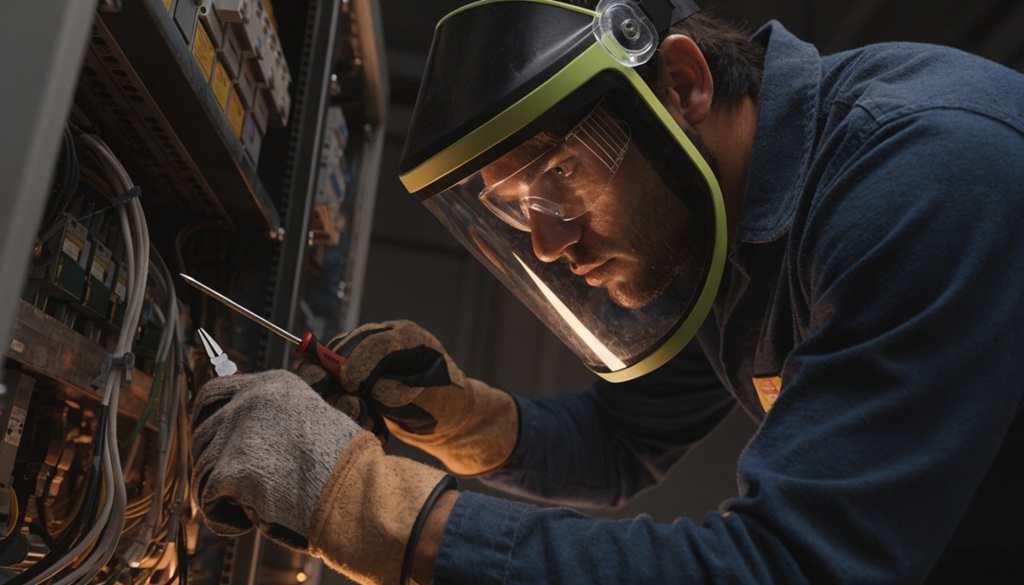
How to Prevent Arc Flash Injuries and Protect Your Eyes
Arc flash can burn your eyes and skin in seconds, even without direct contact with the arc. The good news: you can prevent almost every arc flash injury with the right gear and habits. This guide breaks down exactly what causes arc flash damage and how to stop it before it happens.
-
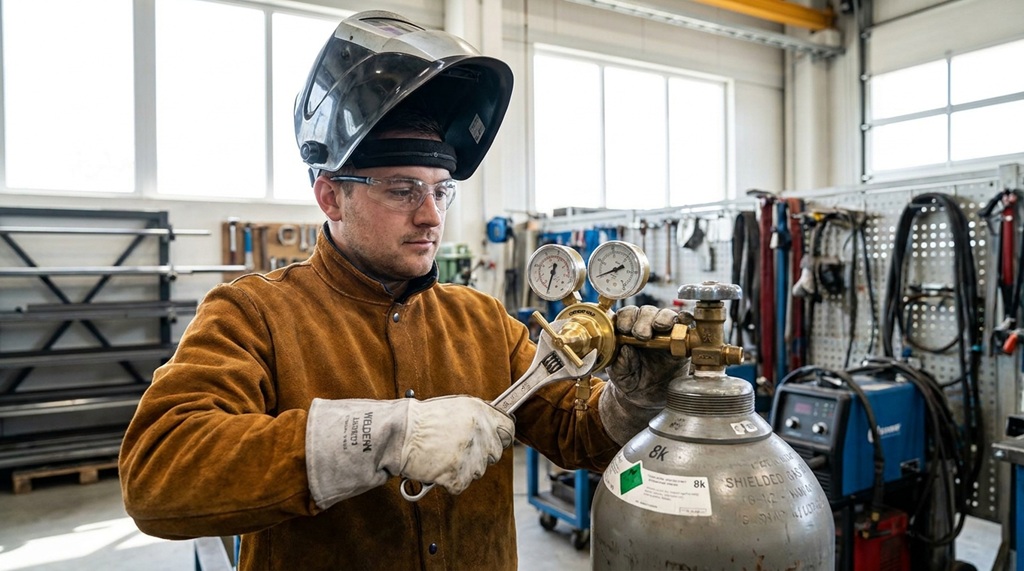
How to Hook Up a Gas Regulator on a Welding Tank Safely
To hook up a gas regulator on a welding tank safely, you inspect the tank valve, crack it briefly to clear debris, attach the regulator, tighten the fitting, and open the valve slowly. Each step matters. Skip one, and you risk a gas leak, a damaged regulator, or worse.
-
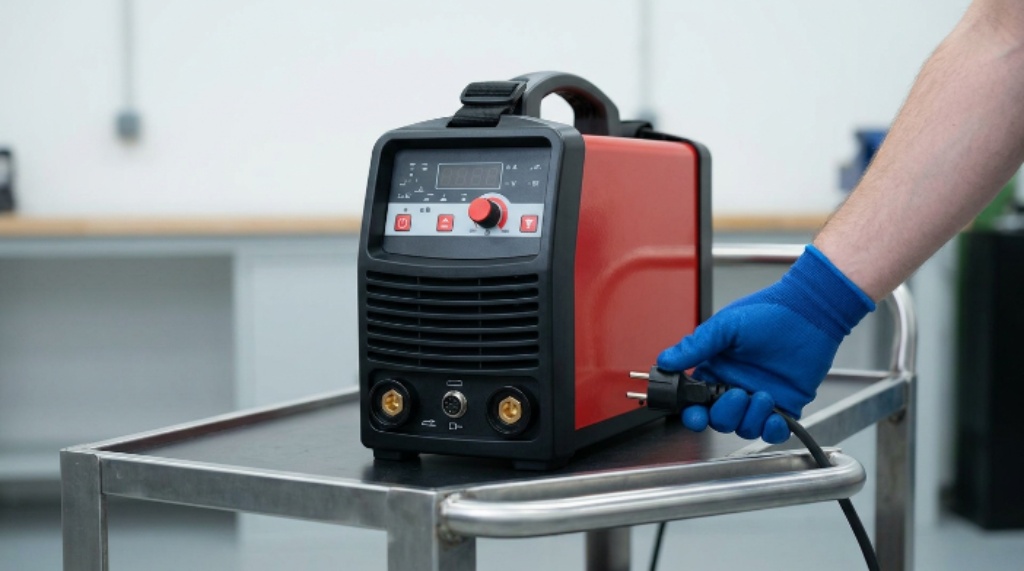
How to Set Up a TIG Welder for Mild Steel: A Complete Beginner’s Guide
TIG welding mild steel is one of the best ways to learn real control over an arc. Unlike MIG, the welder controls the torch, arc length, travel speed, and filler metal separately. That extra control can produce exceptionally clean, precise welds—but only when the machine is configured correctly. The good news is that mild steel…
-
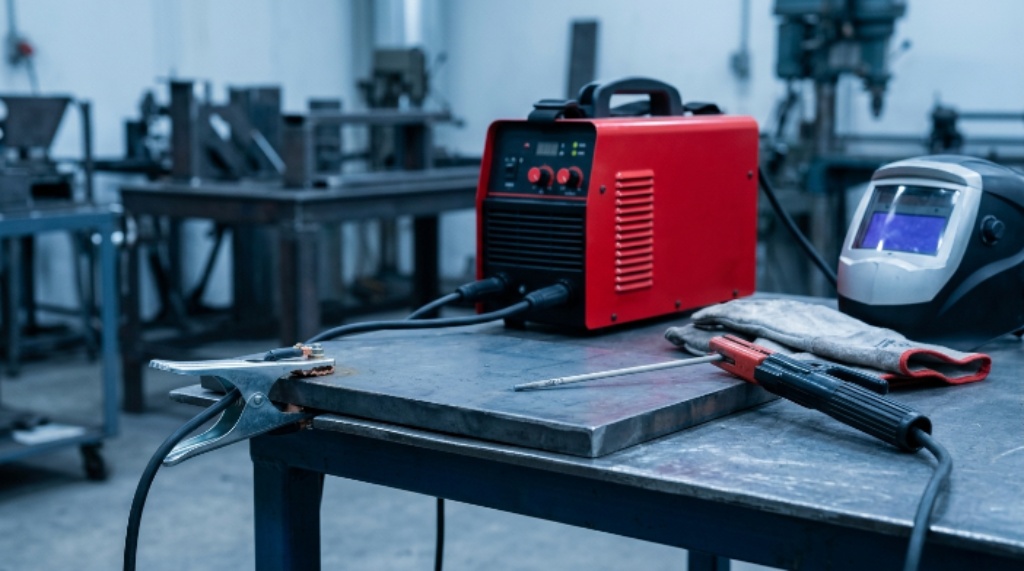
Stick Welding Basics for Beginners: A Practical Guide to SMAW
Stick welding has a reputation for being simple: grab a welder, clamp in a rod, strike an arc, and start welding. The equipment really is straightforward. Learning to make a consistent, structurally sound weld is another story. Stick welding—formally called shielded metal arc welding (SMAW)—requires you to control the arc, electrode angle, travel speed, puddle,…
-
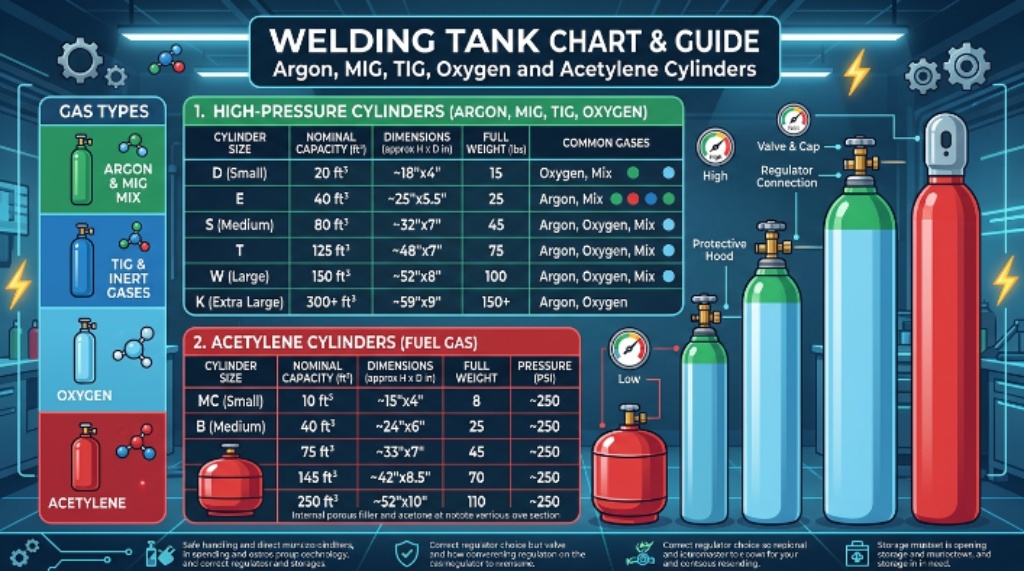
Welding Tank Size Chart: Complete Guide to Argon, MIG, TIG, Oxygen and Acetylene Cylinders
If you’re buying gas for a MIG or TIG welder, one of the first questions you’ll run into is: What size welding tank do I need? The answer isn’t as simple as choosing the biggest cylinder you can fit in your shop. Welding gas cylinders come in several capacities, and the naming system can vary…