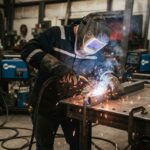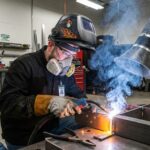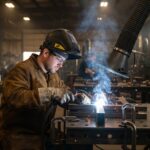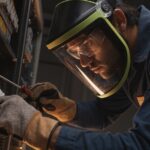

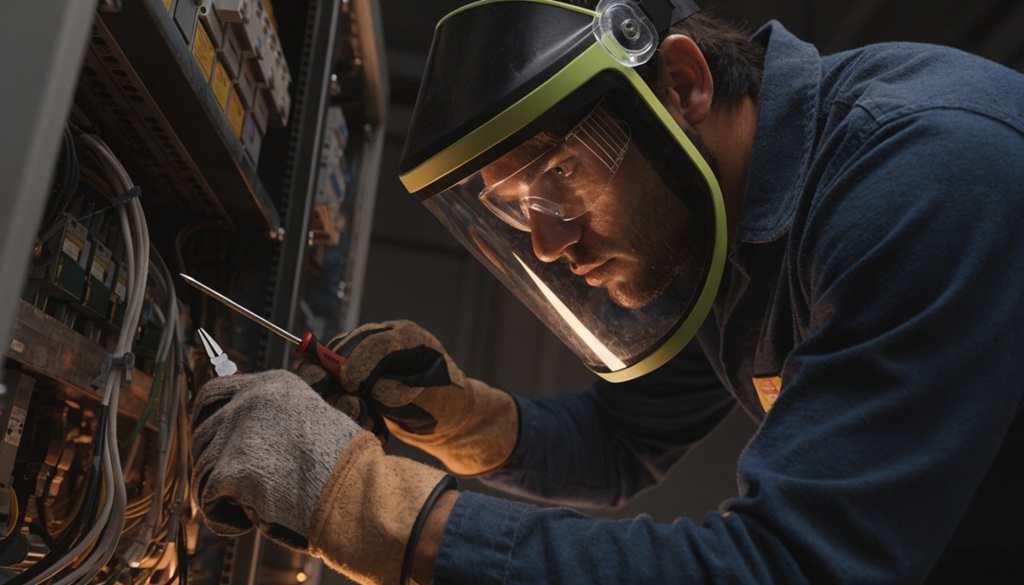

Arc flash can burn your eyes and skin in seconds, even without direct contact with the arc. The good news: you can prevent almost every arc flash injury with the right gear and habits. This guide breaks down exactly what causes arc flash damage and how to stop it before it happens.
Welders face this risk every shift. A flash of ultraviolet and infrared light from the arc can injure unprotected skin and eyes fast. Most injuries happen not because welders lack PPE, but because they use it incorrectly or skip a step under time pressure.
Below, you’ll find the real risks, the PPE that actually stops them, and workspace habits that keep you and your coworkers safe.
What Is Arc Flash and Why It Threatens Welders
Arc flash is the sudden burst of light, heat, and radiation released when an electric arc forms during welding. It happens the instant the electrode touches the base metal and current jumps across the gap.
This burst produces intense ultraviolet (UV) and infrared (IR) radiation. Your eyes and skin cannot tolerate this radiation without protection, even for a brief exposure. Unlike a flame burn, arc flash damage often doesn’t hurt right away. That delay is exactly why so many welders underestimate the danger.
Arc flash differs from arc blast. Arc blast involves a pressure wave and molten metal spray, common in high-voltage electrical work. Welding arc flash is smaller in scale but still causes real injuries daily on job sites and in home shops alike.
The Real Eye and Skin Risks From Arc Flash
Arc flash injuries fall into two main categories: eye damage and skin burns. Both are preventable, but both are common when welders rush or reuse damaged gear.
Arc Eye (Photokeratitis)
Arc eye, also called welder’s flash or photokeratitis, happens when UV radiation burns the cornea. It feels like sand grinding in your eyes, and symptoms often appear four to twelve hours after exposure.
This delay catches new welders off guard. You might feel fine right after a job, then wake up in serious pain that night. Repeated arc eye episodes can lead to long-term light sensitivity and increased risk of cataracts, according to occupational health researchers.
Skin Burns
UV and IR radiation also burn exposed skin, similar to a severe sunburn. Welders call this “welder’s tan,” but it’s actual tissue damage, not a cosmetic tan line.
Skin closest to the arc, like the neck, wrists, and face, burns fastest. Thin or damaged clothing offers almost no protection against this radiation.
Long-Term Risks
Chronic exposure raises the risk of skin cancer on unprotected areas and progressive eye damage over a career. Industry safety groups link cumulative UV exposure to higher rates of cataracts among long-term welders. This is why consistent protection matters more than occasional caution.
Essential PPE for Total Arc Flash Protection
The proper personal protective equipment serves as your primary defense, capable of mitigating nearly every arc flash injury before a thermal incident occurs. Because skipping a single piece of gear leaves a critical gap in your personal safety, full-body coverage from arc-rated face shields to flame-resistant clothing is non-negotiable when working with high-voltage equipment. However, comprehensive shop safety extends beyond thermal hazards alone; just as specialized eye and face protection shield you from electrical arcs, maintaining clean workspace ventilation is equally critical when executing hot work such as learning set up a DIY welding fume extractor to protect your lungs from toxic airborne particulates.
Welding Helmet and Auto-Darkening Lens
Your helmet is your first line of defense. An auto-darkening helmet senses the arc and darkens the lens in a fraction of a second, so you get full protection without lifting and lowering a fixed shade manually.
Check your lens shade number against your amperage and process. A shade that’s too light lets damaging UV through even if you can see the puddle clearly.
| Process | Amperage Range | Recommended Shade |
|---|---|---|
| Shielded Metal Arc (Stick) | 75–200A | Shade 10–12 |
| MIG Welding | 100–175A | Shade 10–11 |
| TIG Welding | Under 50A | Shade 9–10 |
| TIG Welding | 50–150A | Shade 11–12 |
| Plasma Cutting | 40–100A | Shade 9–10 |
Replace your lens if it’s scratched, cracked, or fogged. Damage creates gaps that let UV radiation pass straight through.
Flame-Resistant Clothing
Wear flame-resistant (FR) jackets, sleeves, and collars that cover all exposed skin. Cotton treated for flame resistance works well; synthetic fabrics can melt onto skin and worsen burns.
Button your collar and tuck in your shirt. A gap of even an inch can expose skin to a full shift’s worth of radiation.
Gloves, Boots, and Leathers
Wear welding gloves rated for your process, and choose leather boots that cover your ankles. Leather aprons and sleeves add another layer for overhead or out-of-position welding, where sparks and radiation reach areas a jacket alone won’t cover.
Setting Up a Safer Welding Work Area
Your workspace setup matters as much as your personal gear. A poorly arranged shop puts you and everyone nearby at risk.
Hang welding curtains or screens around your station. These barriers block UV radiation from reaching coworkers, visitors, or anyone walking past who isn’t wearing eye protection. Many arc eye injuries happen to bystanders, not the welder holding the torch.
Keep your station away from high-traffic walkways. Warn coworkers before you strike an arc if screens aren’t fully closed. In shared shops, post a simple sign or use a warning light when welding is active.
Check that your curtains and screens don’t have gaps or tears. A small hole in a screen can still transmit enough UV to cause arc eye in someone standing nearby for even a few seconds.
Best Practices and Habits That Reduce Arc Flash Exposure
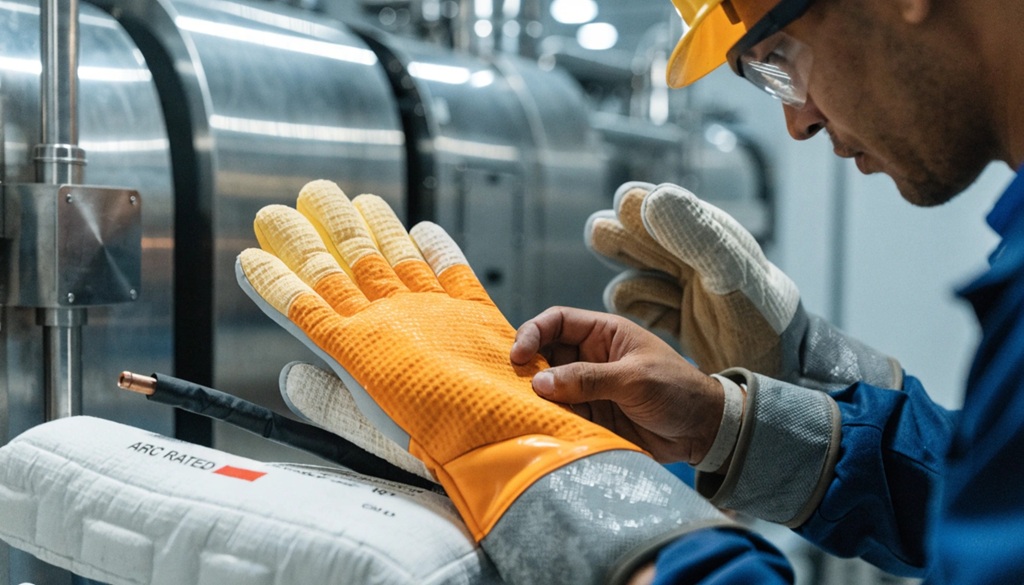
Good habits close the gaps that gear alone can’t cover. Build these into your routine so protection becomes automatic, not an afterthought.
- Inspect PPE before every shift. Check your helmet lens, gloves, and jacket for cracks, tears, or thinning fabric.
- Never weld without your helmet fully lowered. Even a “quick tack” without proper coverage can cause arc eye.
- Warn people nearby before striking an arc. A simple “eyes” or “flashing” call gives coworkers time to look away.
- Provide flash goggles for visitors and helpers. Anyone near an active weld needs eye protection, even if they’re not welding themselves.
- Take breaks to reduce fatigue-driven mistakes. Tired welders skip steps, and skipped steps cause injuries.
- Store PPE properly between shifts. Heat and sunlight degrade auto-darkening sensors and lens coatings over time.
One habit many articles skip: rotate and test your auto-darkening helmet’s battery and sensors monthly. A slow-reacting sensor delays the darkening cycle by milliseconds, but that tiny delay is enough to cause repeated micro-exposures that add up over a career.
What to Do If You Experience Arc Eye or Flash Burns
If you suspect arc eye, get to a dim or dark room and avoid rubbing your eyes. Rubbing worsens corneal damage and increases the risk of infection.
Remove contact lenses if you wear them, since they can trap irritants against the eye. Apply a cool, damp cloth over closed eyes for comfort, and avoid screens or bright light until symptoms ease.
Seek medical attention if pain is severe, vision changes, or symptoms last more than 24 to 48 hours. Most arc eye cases resolve within one to two days, but a doctor should rule out deeper corneal damage, especially after repeated episodes.
For skin burns, treat them like a sunburn: cool compresses, gentle moisturizer, and loose clothing over the area. Seek medical care for blistering or burns covering a large area.
Frequently Asked Questions
How long does arc eye take to heal?
Most arc eye cases heal within 24 to 48 hours with rest and eye protection from further light. Severe or repeated cases may take longer and should be checked by a doctor. Avoid welding again until all symptoms fully clear.
Can arc flash cause permanent eye damage?
A single mild case of arc eye usually heals without lasting damage. Repeated or severe exposure over time raises the risk of cataracts and chronic light sensitivity, according to occupational health sources. This is why consistent eye protection matters on every job, not just the risky ones.
What shade lens do I need for MIG welding?
Most MIG welding in the 100 to 175 amp range calls for a shade 10 to 11 lens. Higher amperage or brighter processes may require a darker shade. Always check your helmet manufacturer’s chart against your specific amperage.
Do bystanders need eye protection near welding?
Yes, anyone within view of an active arc needs eye protection, even without a helmet. Flash goggles or tinted safety glasses work for short-term exposure. Welding curtains also help block UV from reaching people nearby.
Can regular sunglasses protect against arc flash?
No, regular sunglasses do not block the UV and IR radiation from a welding arc. Only welding-rated lenses with the correct shade number provide real protection. Using sunglasses instead of proper PPE puts your eyes at serious risk.
Conclusion
Arc flash injuries are common, but they’re almost entirely preventable. A properly rated helmet lens, flame-resistant clothing, and a well-screened work area stop most injuries before they start. Build simple habits, like inspecting your gear and warning coworkers before you strike an arc, and you’ll protect your eyes and skin on every job for years to come.