
Recent Categories
Recent Posts



Post Archive
Category Tags
Recent Categories
-
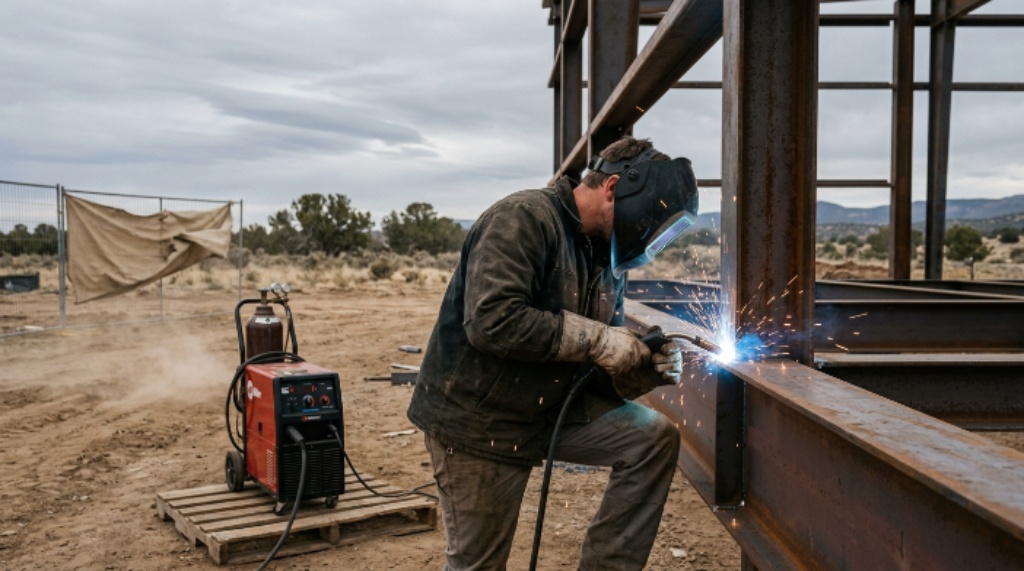
Can You MIG Weld Outdoors? What Wind, Gas, and Safety Really Mean
Yes, you can MIG weld outdoors—but conventional gas-shielded MIG is not naturally well suited to open-air welding. The problem is not that the MIG process suddenly stops working outside. The problem is that MIG depends on a controlled envelope of shielding gas around the arc and molten weld pool. Wind can disturb that envelope, allowing…
-
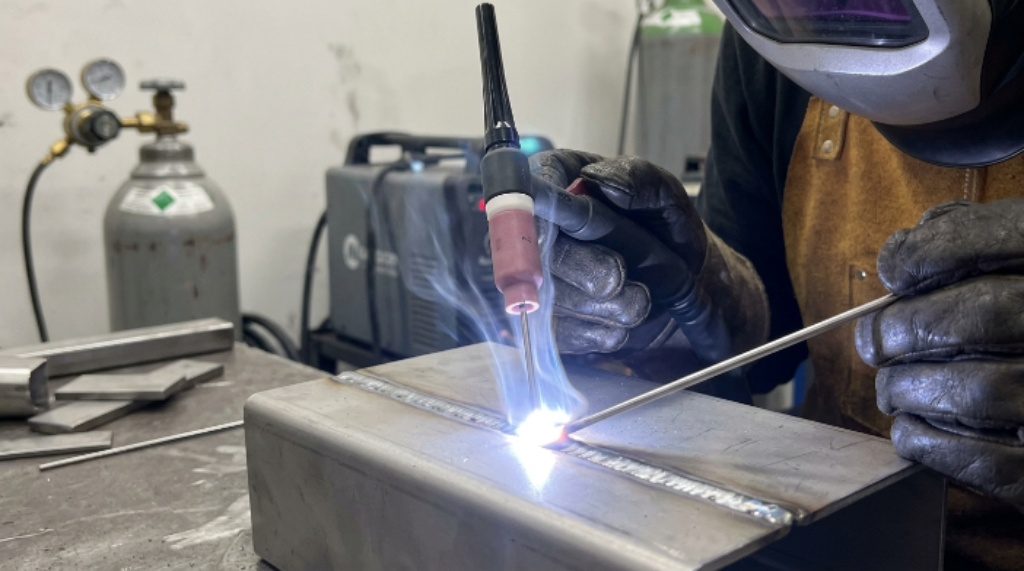
What Gas Do You Use for TIG Welding? A Complete Guide to Argon, Helium, Flow Rates, and More
If you’re setting up a TIG welder for the first time, one of the first questions you’ll run into is: What gas do you use for TIG welding? For most TIG welding jobs, the answer is 100% argon. Pure argon is the standard starting point for TIG (GTAW) because it provides a stable arc, reliable…
-
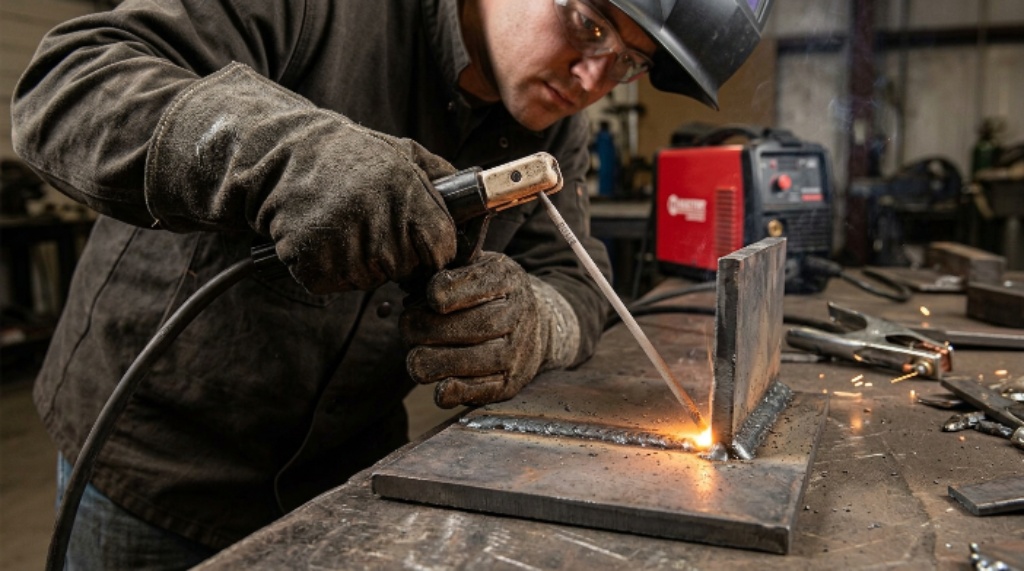
Do You Drag or Push When Stick Welding? The Right Technique for SMAW
If you’re learning stick welding, one of the first technique questions you’ll run into is simple: Do you drag the electrode or push it? For most conventional stick-welding situations, the beginner-friendly answer is drag. With SMAW (Shielded Metal Arc Welding), the electrode coating produces shielding gas and slag as it burns. A slight drag, or…
-
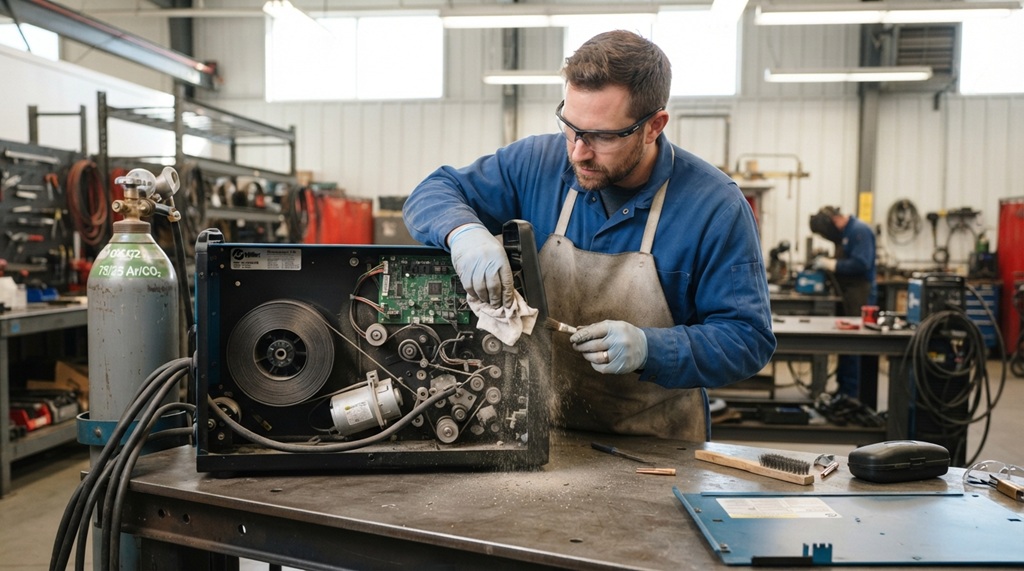
How to Clean Welding Machine Parts to Extend Lifespan
A dirty welding machine dies young. Dust, spatter, and grime clog the internal fans. The machine overheats. Parts wear out fast. Regular cleaning is the single easiest way to extend the lifespan of any welder, whether you run a MIG, TIG, or stick machine.
-
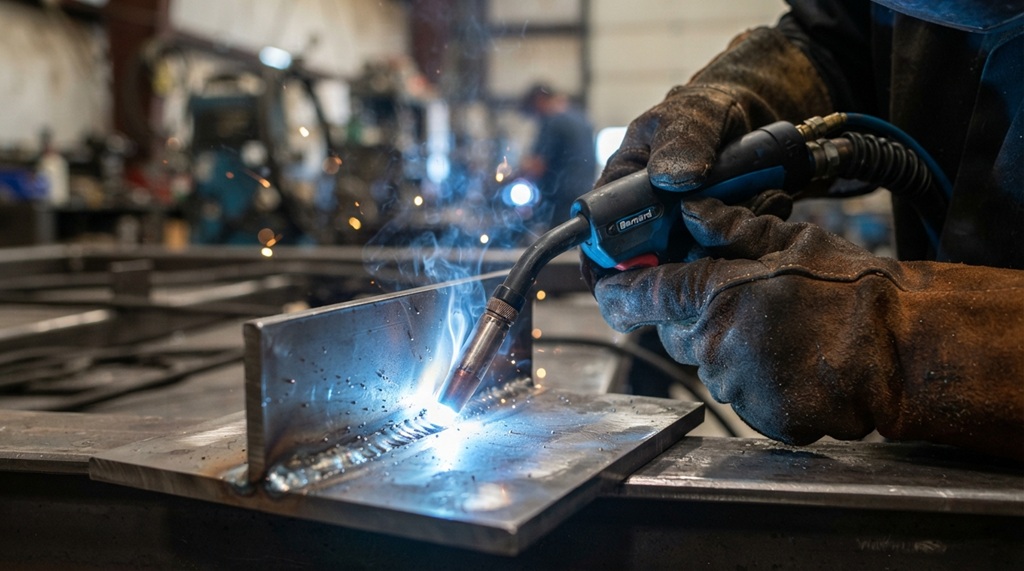
How to Choose Welding Torch Tips to Prevent Burnback
Burnback happens when the arc travels back into the contact tip and melts it to the gas diffuser. The wrong torch tip is one of the most common causes. Pick the right tip size, material, and fit for your wire and amperage, and you cut burnback risk dramatically.
-
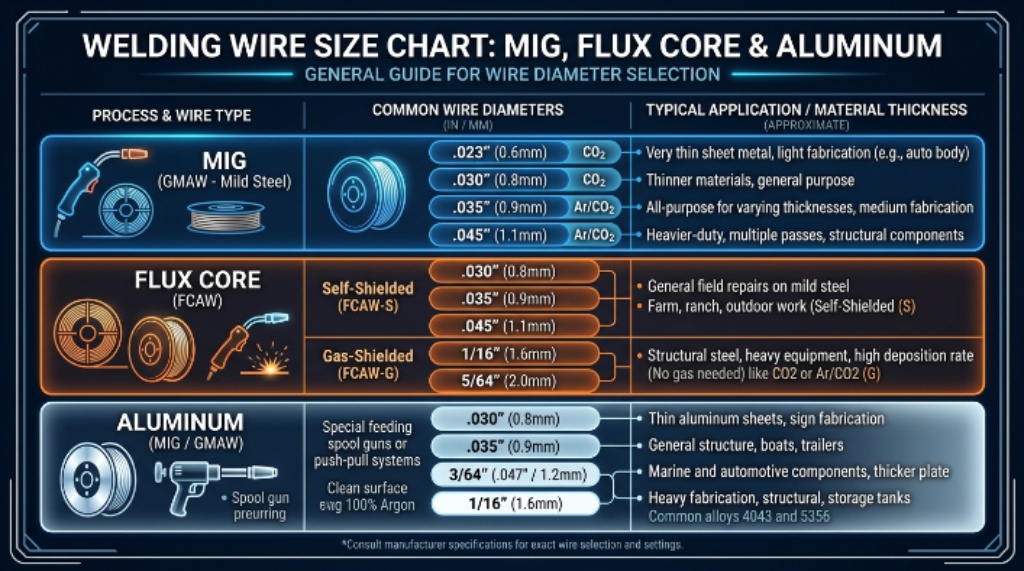
Welding Wire Size Chart: MIG, Flux Core & Aluminum Wire Guide
Choosing the right welding wire size is one of the first decisions you need to make when setting up a MIG or flux-core welder. The diameter of the wire affects the current range, wire-feed speed, deposition rate, heat input, feeding behavior, and how easily you can control the weld puddle.
-
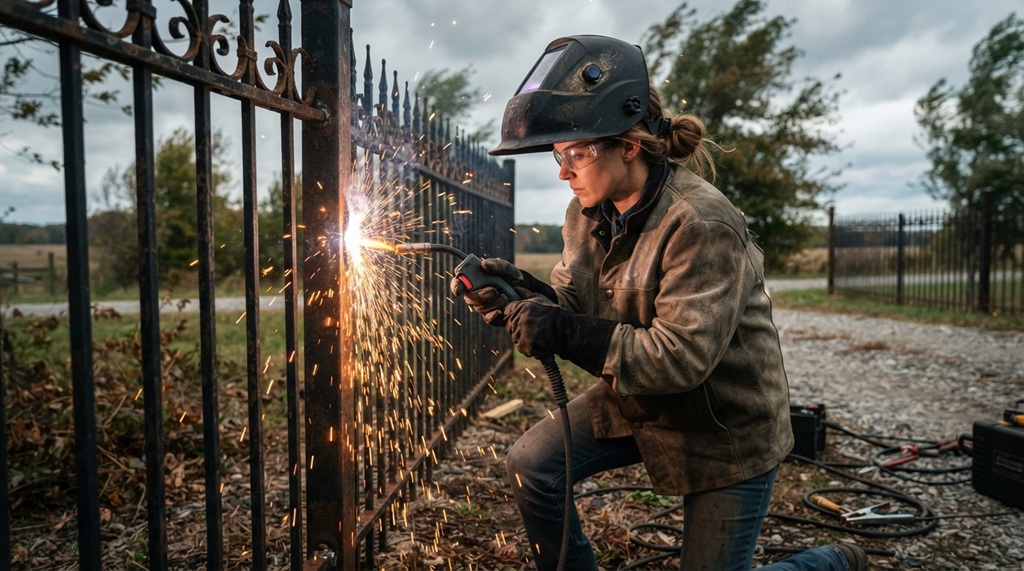
How to Flux Core Weld Outdoors Without Gas
You can flux core weld outdoors without gas because the process makes its own shielding. The flux inside the wire burns and creates a gas cloud that protects your weld puddle. No tank, no regulator, no hose to babysit in the wind.
-
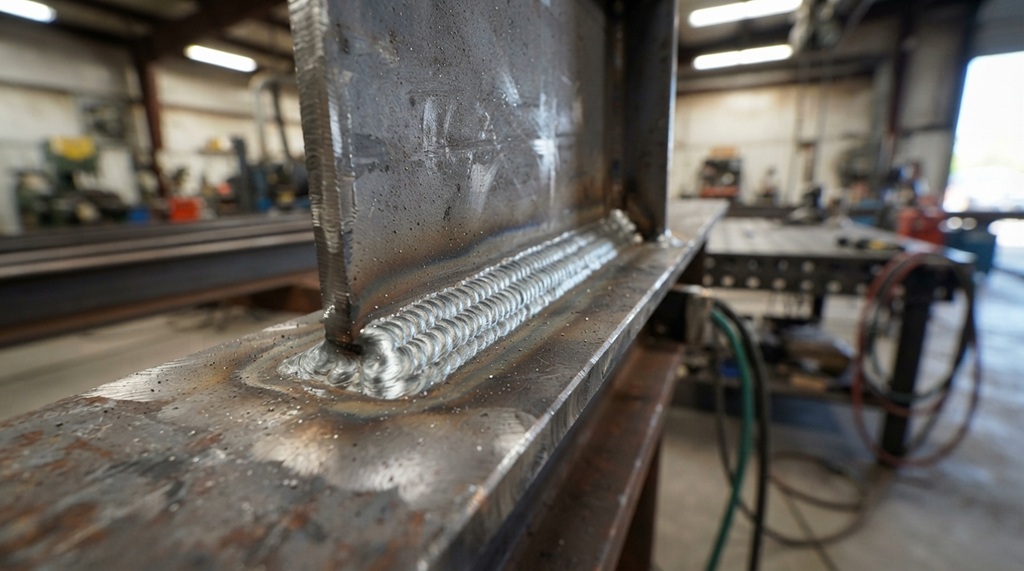
How to Master Stick Welding on Thick Structural Steel
Stick welding thick structural steel comes down to three things: the right electrode, enough amperage, and proper joint prep. Skip any one of these, and you risk cold lap, poor penetration, or a weld that fails under load. Structural steel usually means plate or beam material over 3/8 inch thick, and it demands more heat…