
Recent Categories
Recent Posts
- Different Types of Tungsten for TIG Welding: How to Choose the Right Electrode
- Can a Stick Welder Be Used for Spot Welding? What Actually Works
- How to Fix Weld Bead Undercut and Make Joints Stronger
- How to Choose Fire Resistant Gear for Safe Metalwork
- Welding Gas Flow Rate Calculator and Formula: Calculate CFH, L/min, Gas Usage and Cylinder Runtime
Post Archive
Category Tags
Recent Categories
-
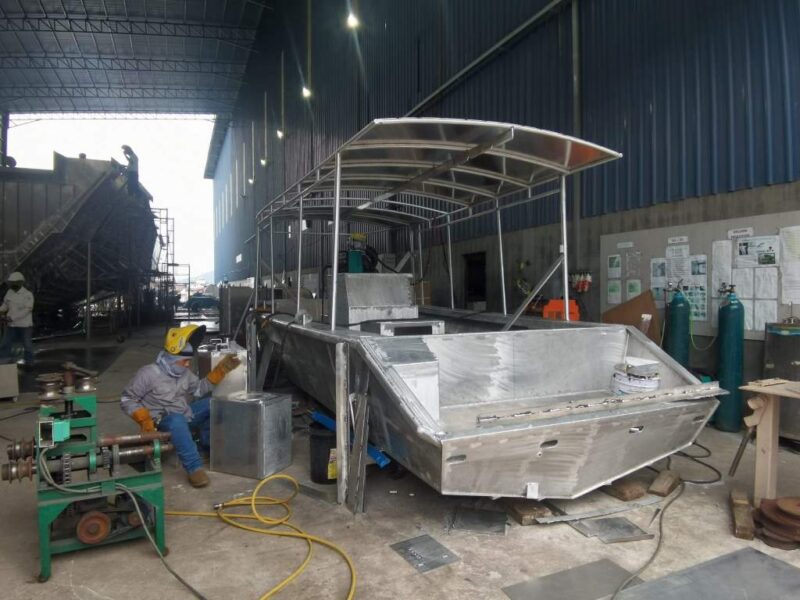
High Frequency Aluminum TIG Setups for Maine Lobster Boat Fabrication
Maine lobster boats are built to survive harsh saltwater, heavy loads, and long working hours. That is why fabricators rely on aluminum and advanced welding methods to ensure strength and durability. High frequency aluminum TIG setups play a key role in this process because they deliver clean, precise welds that resist corrosion. According to the…
-
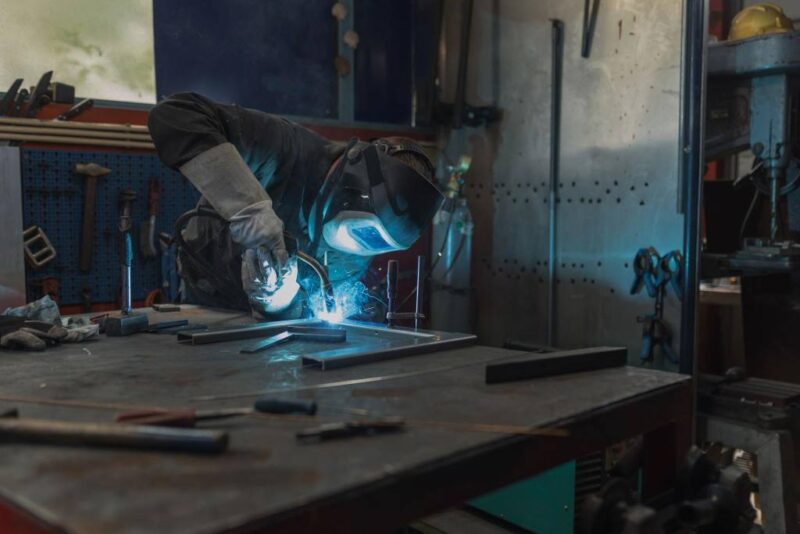
Differences Between Class A and Class B Welding Gloves
Welding gloves play a critical role in protecting hands from extreme heat, sparks, and sharp metal edges. According to industry safety reports, hand injuries account for nearly 20% of welding-related workplace incidents, many of which are preventable with the right protective gear. Choosing between Class A and Class B welding gloves is one of the…
-
How to Prevent Porosity in Welding
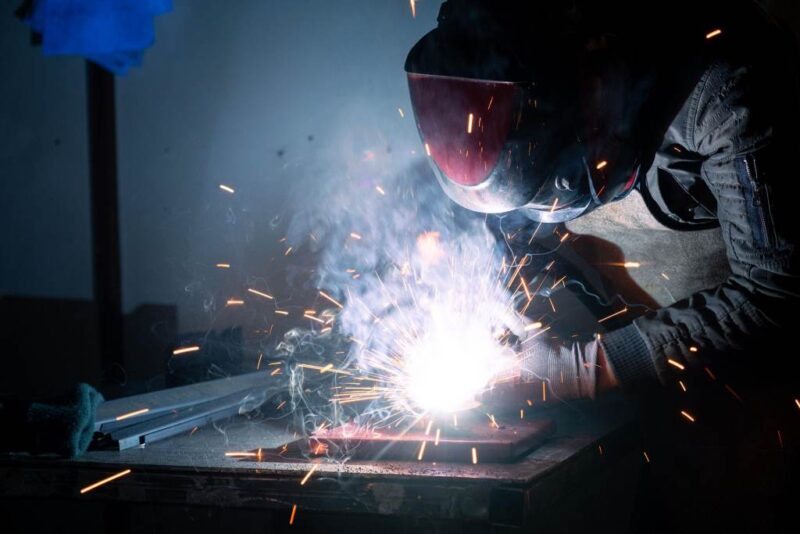
Porosity in welding remains one of the most common defects that weaken weld quality and reduce structural integrity. Studies show that nearly 30% of weld failures in fabrication shops relate directly to gas entrapment issues. This problem not only affects strength but also leads to costly rework and safety risks. Therefore, understanding how to prevent…
-
Welding Basics for Beginners – Step by Step
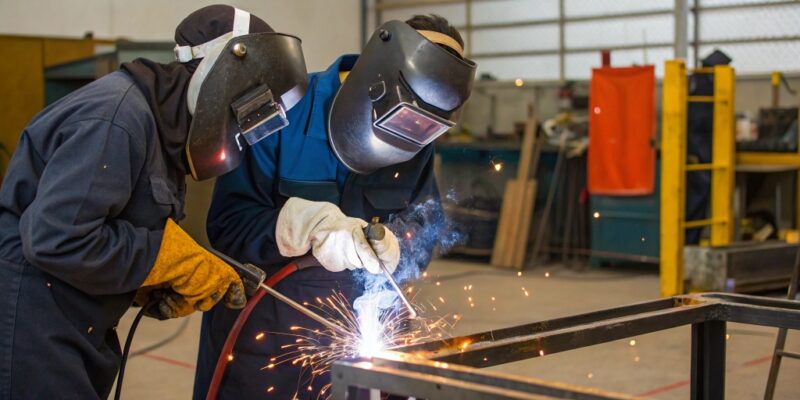
Welding is the process of joining metals by melting them together using heat, pressure, or both. Once cooled, the fused metals form a strong, permanent bond. It’s widely used in construction, automotive repair, shipbuilding, and fabrication workshops.