

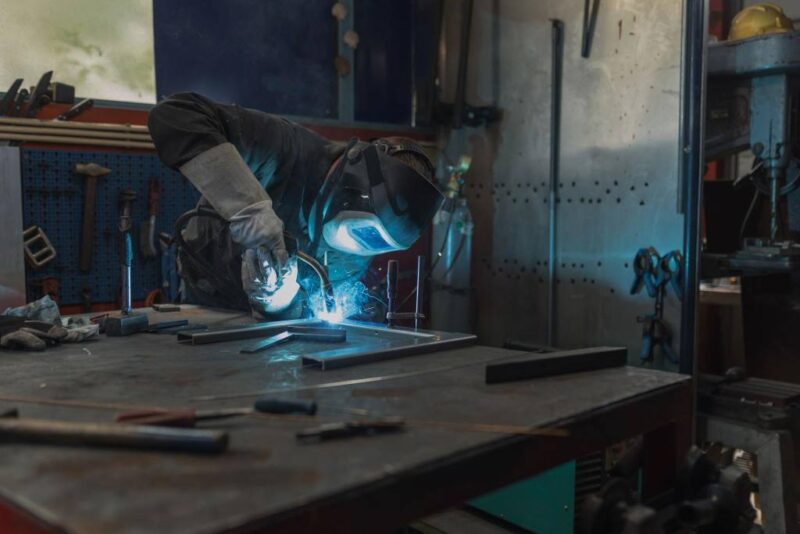

Welding gloves play a critical role in protecting hands from extreme heat, sparks, and sharp metal edges. According to industry safety reports, hand injuries account for nearly 20% of welding-related workplace incidents, many of which are preventable with the right protective gear. Choosing between Class A and Class B welding gloves is one of the most important decisions welders make. Although both types offer protection, they serve different purposes depending on the task, precision level, and heat exposure. Understanding these differences helps you work safely, efficiently, and comfortably in any welding environment.
What Are Welding Gloves?
Welding gloves are specialized protective gloves made from heat-resistant materials like leather, Kevlar stitching, and insulated linings. They shield hands from high temperatures, molten metal, electrical hazards, and abrasion. Unlike regular work gloves, welding gloves undergo strict safety testing to ensure durability under extreme conditions. Therefore, choosing the right class directly affects both safety and performance.
Why Classification Matters
Not all welding tasks are the same, so glove design varies based on heat resistance and dexterity. Class A gloves focus on heavy-duty protection, while Class B gloves prioritize flexibility and control. As a result, selecting the wrong type can reduce efficiency or increase injury risk.
Overview of Class A Welding Gloves
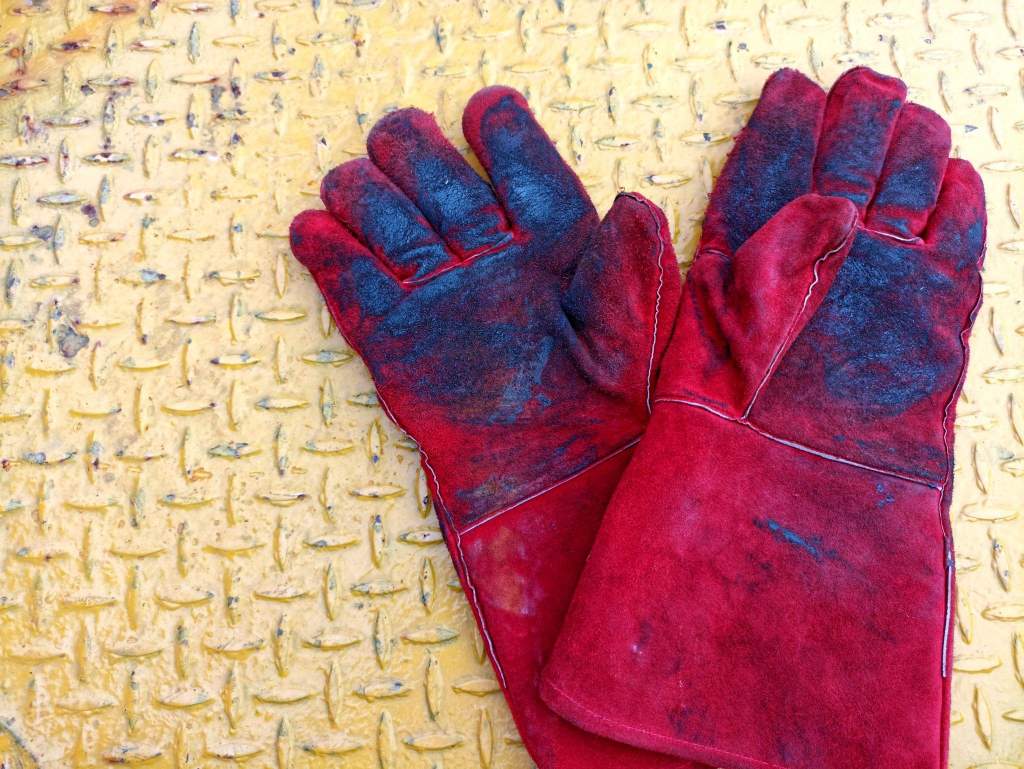
Class A welding gloves are designed for maximum protection in high-heat environments. These gloves typically feature thick leather construction, extended cuffs, and heavy insulation. Because they emphasize durability, they are ideal for tasks that involve intense sparks and heat exposure.
Key Features of Class A Gloves
Class A gloves include several characteristics that make them suitable for demanding work conditions. These features improve safety but slightly reduce hand mobility.
- Thick split leather construction
- High heat resistance
- Extended gauntlet cuffs for forearm protection
- Reinforced stitching (often Kevlar)
- Extra insulation layers
Because of these features, welders can handle heavy-duty tasks without worrying about burns or abrasions.
Common Uses of Class A Gloves
Class A gloves work best in situations where protection matters more than precision. Therefore, they are commonly used in:
- Stick welding (SMAW)
- Flux-cored arc welding (FCAW)
- Heavy industrial welding
- High-temperature environments
These gloves perform well when sparks, slag, and molten metal are frequent.
Overview of Class B Welding Gloves
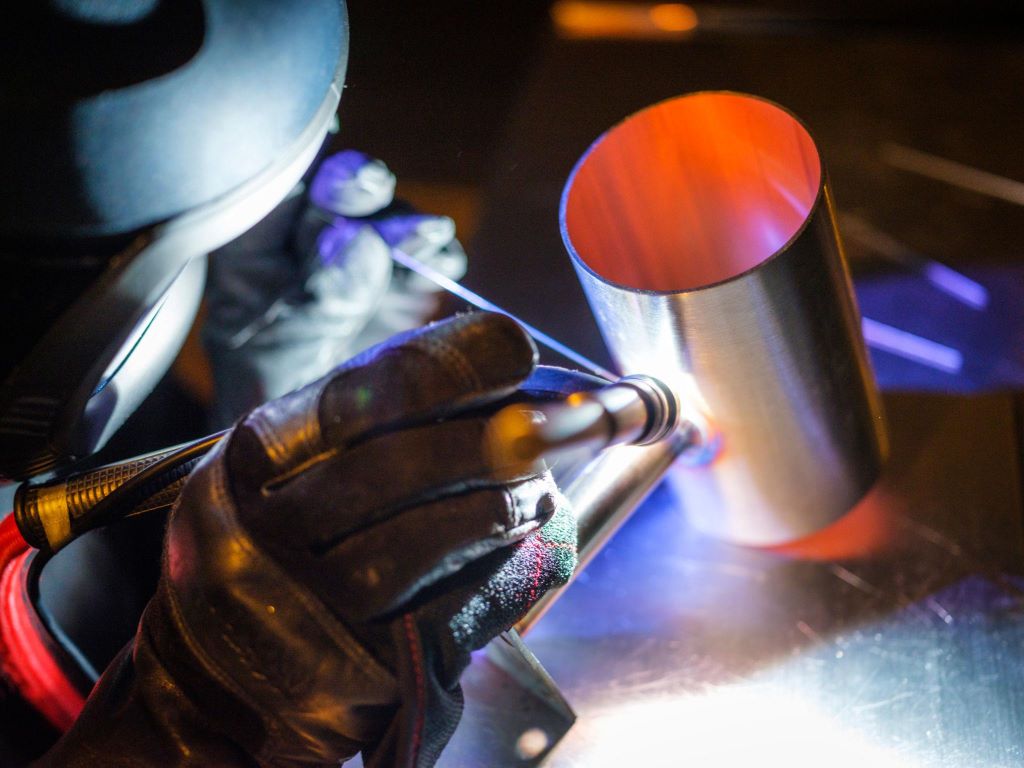
Class B welding gloves focus on precision, comfort, and dexterity. They use thinner leather and a more ergonomic design to allow better finger movement. Although they provide less insulation than Class A gloves, they still offer adequate protection for lighter welding tasks.
Key Features of Class B Gloves
Class B gloves prioritize control and comfort, making them ideal for detailed welding tasks. Their design allows welders to maintain a strong grip and precise hand movements.
- Thin, flexible leather construction
- High dexterity and finger control
- Lightweight design
- Shorter cuffs
- Moderate heat resistance
Because of these features, welders can perform intricate work with better accuracy.
Common Uses of Class B Gloves
Class B gloves are suitable for tasks that require precision rather than extreme protection. Therefore, they are commonly used in:
- TIG welding (GTAW)
- Light fabrication work
- Low-heat welding processes
- Detailed metalwork
These gloves help welders maintain control without sacrificing safety.
Key Differences Between Class A and Class B Welding Gloves
Understanding the differences between Class A and Class B welding gloves helps you choose the right gear for your specific job. Each type serves a distinct purpose, so comparing them side by side makes decision-making easier.
1. Heat Resistance
Class A gloves provide superior heat resistance due to thicker materials and insulation. In contrast, Class B gloves offer moderate protection but cannot withstand extreme heat for long periods. Therefore, heavy welding tasks require Class A gloves, while lighter jobs can use Class B gloves.
2. Dexterity and Flexibility
Class B gloves excel in flexibility and allow better finger movement. On the other hand, Class A gloves feel bulkier and restrict precise movements. As a result, welders performing detailed tasks prefer Class B gloves.
3. Material Thickness
Class A gloves use thick split leather, which increases durability and protection. Meanwhile, Class B gloves use thinner leather for improved control. This difference directly affects both comfort and safety.
4. Cuff Length
Class A gloves feature long gauntlet cuffs that protect the forearms from sparks. In comparison, Class B gloves have shorter cuffs, which enhance mobility but reduce coverage. Therefore, environments with flying sparks favor Class A gloves.
5. Durability
Class A gloves last longer under harsh conditions because of reinforced stitching and thicker materials. However, Class B gloves may wear out faster due to their lighter construction. Still, they perform better in precision tasks.
6. Comfort Level
Class B gloves feel more comfortable during extended use because they are lightweight and flexible. Conversely, Class A gloves may feel heavy but provide unmatched protection. Choosing between comfort and safety depends on the task.
Side-by-Side Comparison Table
Here is a quick comparison to simplify your decision:
- Heat Resistance: Class A (High) vs Class B (Moderate)
- Dexterity: Class A (Low) vs Class B (High)
- Material Thickness: Class A (Thick) vs Class B (Thin)
- Cuff Length: Class A (Long) vs Class B (Short)
- Best Use: Class A (Heavy-duty) vs Class B (Precision work)
- Durability: Class A (High) vs Class B (Moderate)
This table highlights how each glove type serves a different purpose.
How to Choose the Right Welding Gloves
Choosing the right gloves depends on your welding type, work environment, and comfort needs. Instead of guessing, evaluate your specific tasks carefully.
Consider Your Welding Process
Different welding methods require different levels of protection. For example, stick welding produces more sparks, so Class A gloves work better. However, TIG welding requires precision, making Class B gloves the better option.
Evaluate Heat Exposure
If your work involves prolonged exposure to high temperatures, choose Class A gloves. On the other hand, if heat exposure is minimal, Class B gloves provide sufficient protection while improving control.
Focus on Comfort and Fit
Gloves that fit well improve both safety and performance. Tight gloves restrict movement, while loose gloves reduce control. Therefore, always choose a snug but comfortable fit.
Check Material Quality
High-quality leather and reinforced stitching increase glove lifespan. Investing in durable gloves saves money over time and ensures consistent protection.
Real-World Example: Choosing the Right Gloves
Imagine a welder working in two different scenarios. In a shipyard, heavy welding produces intense heat and sparks. Therefore, Class A gloves provide the necessary protection. However, in a fabrication shop performing detailed TIG welding, Class B gloves allow better control and precision.
This example shows how choosing the right glove improves both safety and efficiency.
Pros and Cons of Class A Welding Gloves
Advantages
- Excellent heat protection
- High durability
- Full forearm coverage
- Ideal for heavy-duty welding
Disadvantages
- Reduced flexibility
- Bulkier design
- Less suitable for precision tasks
Pros and Cons of Class B Welding Gloves
Advantages
- High dexterity
- Lightweight and comfortable
- Better control for detailed work
- Suitable for TIG welding
Disadvantages
- Lower heat resistance
- Less durable in harsh conditions
- Limited forearm protection
Common Mistakes to Avoid
Many welders choose gloves based on price rather than function. However, this approach often leads to poor performance and safety risks. Avoid these mistakes:
- Using Class B gloves for high-heat welding
- Choosing oversized gloves
- Ignoring material quality
- Replacing gloves too late
Making informed decisions prevents injuries and improves productivity.
Maintenance Tips for Welding Gloves
Proper maintenance extends glove lifespan and ensures consistent protection. Follow these simple practices:
- Clean gloves regularly to remove debris
- Store them in a dry place
- Avoid excessive moisture exposure
- Inspect for wear and tear before use
These habits help maintain safety standards and reduce replacement costs.
Conclusion
Understanding the differences between Class A and Class B welding gloves helps you choose the right protection for your work. Class A gloves offer maximum safety for heavy-duty welding, while Class B gloves provide flexibility and precision for lighter tasks. Therefore, selecting the right type improves both safety and efficiency. Evaluate your welding process, heat exposure, and comfort needs before making a decision. If you want to work safely and efficiently, invest in the right gloves today and upgrade your welding gear.
FAQs
What is the main difference between Class A and Class B welding gloves?
Class A gloves focus on heat resistance and durability, while Class B gloves prioritize flexibility and precision.
Can I use Class B gloves for heavy welding?
No, Class B gloves do not provide enough heat protection for heavy welding tasks.
Are Class A gloves uncomfortable?
They may feel bulkier, but they provide superior protection in high-heat environments.
Which gloves are best for TIG welding?
Class B gloves are ideal because they offer better dexterity and control.
How often should I replace welding gloves?
Replace gloves when you notice wear, holes, or reduced protection.
References
https://www.lincolnelectric.com/en/welding-and-cutting-resource-center/welding-how-to
https://www.millerwelds.com/resources/article-library/personal-protective-equipment-for-welding
https://www.osha.gov/welding-cutting-brazing
https://www.twi-global.com/technical-knowledge/job-knowledge/welding-safety