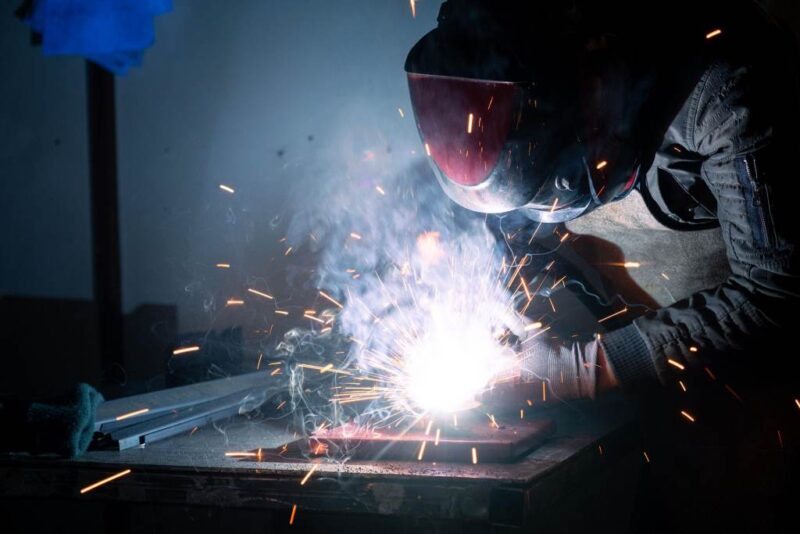

Porosity in welding remains one of the most common defects that weaken weld quality and reduce structural integrity. Studies show that nearly 30% of weld failures in fabrication shops relate directly to gas entrapment issues. This problem not only affects strength but also leads to costly rework and safety risks. Therefore, understanding how to prevent porosity in welding is essential for both beginners and professionals. In this guide, you will learn practical techniques, causes, and proven solutions to ensure clean, strong, and defect-free welds every time.
What is Porosity in Welding?
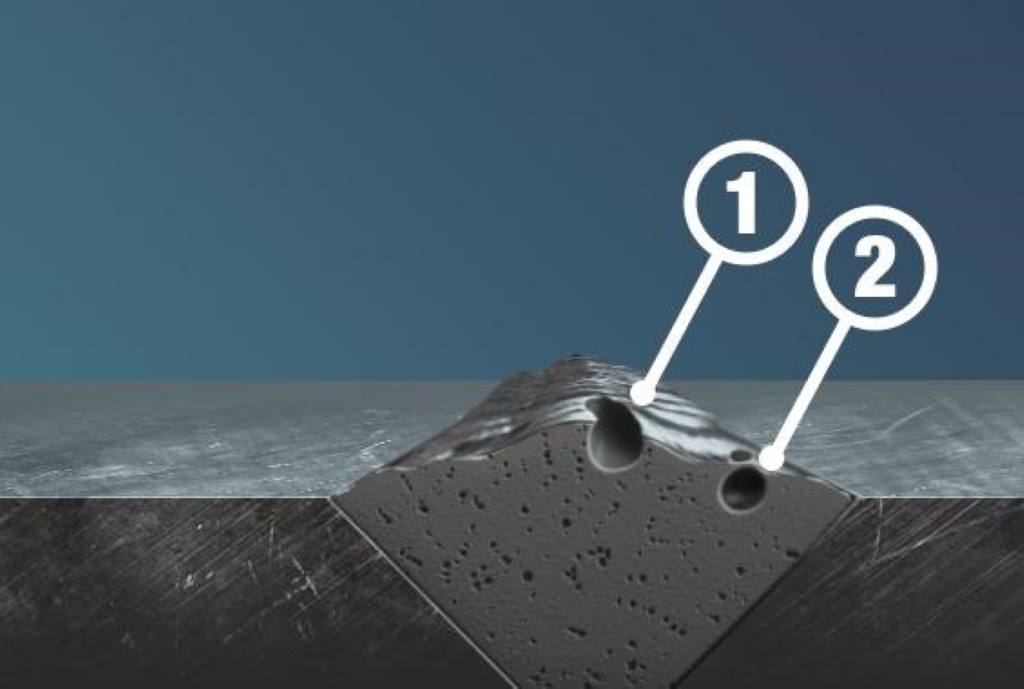
Porosity refers to small gas pockets trapped inside a weld bead during solidification. These pockets appear as holes or bubbles either on the surface or within the weld. As a result, they weaken the joint and reduce durability.
Moreover, porosity often forms due to contamination, improper shielding gas, or poor technique. Even minor mistakes in setup can lead to noticeable defects. Therefore, identifying the root cause becomes the first step in prevention.
Why Preventing Porosity Matters
Preventing porosity improves weld strength and reliability. It also reduces repair costs and saves time during fabrication. In industries like construction and automotive, even small defects can lead to major failures.
Additionally, high-quality welds enhance professional credibility. Clients and inspectors expect consistent results. Therefore, mastering porosity prevention gives you a competitive advantage.
Main Causes of Porosity in Welding
Understanding the causes helps you fix the problem effectively. Most porosity issues come from contamination or gas-related errors.
1. Surface Contamination
Dirty materials create gas during welding. Oil, rust, paint, and moisture are common culprits.
For example, welding on oily steel produces gas bubbles as the oil burns. This gas gets trapped in the molten pool.
2. Poor Shielding Gas Coverage
Shielding gas protects the weld pool from atmospheric contamination. However, improper flow or leaks expose the weld to oxygen and nitrogen. As a result, gas pockets form inside the weld bead.
3. Incorrect Welding Parameters
Improper voltage, current, or travel speed can disrupt the weld pool. Too fast or too slow movement affects gas escape. Consequently, trapped gas leads to porosity.
4. Moisture in Electrodes or Flux
Moisture introduces hydrogen into the weld. This often causes porosity, especially in stick welding.
5. Environmental Factors
Wind or drafts can blow away shielding gas. Outdoor welding without protection increases risk significantly.
Types of Porosity in Welding
Different types of porosity indicate different problems. Recognizing them helps you troubleshoot faster.
Surface Porosity
This appears as visible holes on the weld surface. It usually results from contamination or poor shielding.
Subsurface Porosity
This type hides beneath the surface. You often need X-ray or ultrasonic testing to detect it.
Wormhole Porosity
Long, tunnel-like pores form due to excessive gas entrapment. This often occurs in flux-cored welding.
Cluster Porosity
Groups of pores appear in one area. This often points to localized contamination.
Best Practices to Prevent Porosity in Welding
Now let’s focus on practical solutions that work in real-world conditions.
Clean the Base Material Properly
Always clean the metal before welding. Use a wire brush, grinder, or solvent to remove contaminants.
For best results:
- Remove oil and grease with acetone
- Grind away rust and paint
- Dry the surface completely
Even small traces of dirt can cause defects. Therefore, never skip this step.
Use Proper Shielding Gas Settings
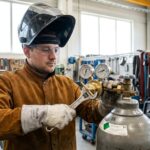
Set the correct gas flow rate based on your welding process. Typically, MIG welding requires 20–25 CFH. Also, check for leaks in hoses and connections. A small leak can compromise weld quality.
Additionally:
- Use the correct gas type (e.g., Argon or CO₂ mix)
- Keep the nozzle clean
- Maintain proper torch angle
Control Welding Parameters
Adjust voltage, current, and travel speed carefully. Balanced settings allow gases to escape before solidification.
For example:
- Too fast travel traps gas
- Too slow movement overheats the weld
Therefore, practice maintaining steady movement.
Store Electrodes Correctly
Keep electrodes dry and moisture-free. Use sealed containers or rod ovens when necessary.
Especially for low-hydrogen electrodes, proper storage prevents hydrogen-induced porosity.
Protect the Welding Area
Shield your workspace from wind and drafts. Use barriers or welding curtains when working outdoors. Even light airflow can disrupt shielding gas coverage.
Welding Techniques That Reduce Porosity
Technique plays a major role in weld quality. Small adjustments can make a big difference.
Maintain Proper Arc Length
A consistent arc length ensures stable shielding. Too long an arc exposes the weld pool to air.
Use Correct Torch Angle
Hold the torch at the recommended angle. Typically, 10–15 degrees works well for MIG welding.
Avoid Excessive Weaving
Wide weaving traps gas inside the weld. Instead, use controlled and consistent movement.
Preheat When Necessary
Preheating reduces moisture and improves gas escape. This works especially well for thick materials.
Equipment Maintenance Tips
Well-maintained equipment prevents many welding defects.
- Clean the nozzle regularly
- Replace worn-out contact tips
- Inspect gas regulators
- Check hoses for leaks
Routine maintenance ensures consistent performance.
Common Mistakes That Cause Porosity
Avoid these frequent errors to improve weld quality quickly.
- Skipping surface cleaning
- Using incorrect gas flow
- Welding in windy conditions
- Using contaminated filler materials
- Ignoring equipment maintenance
Fixing these mistakes often eliminates porosity completely.
Real-World Example
Consider a fabrication shop working on structural steel. Initially, they experienced frequent porosity issues. After investigation, they found oil contamination and inconsistent gas flow. Once they improved cleaning procedures and fixed gas leaks, porosity dropped by over 70%. This example shows how simple changes can deliver major improvements.
Advanced Methods to Prevent Porosity
Experienced welders often use advanced techniques for better results.
Use Gas Purging
Gas purging removes oxygen from the weld area. This method works well for pipe welding.
Optimize Filler Material
Choose high-quality filler materials designed for your specific application.
Monitor Gas Flow with Sensors
Advanced setups include sensors that detect gas flow issues in real time.
These methods improve consistency in high-precision projects.
Inspection and Testing Methods
Even with prevention, inspection ensures quality.
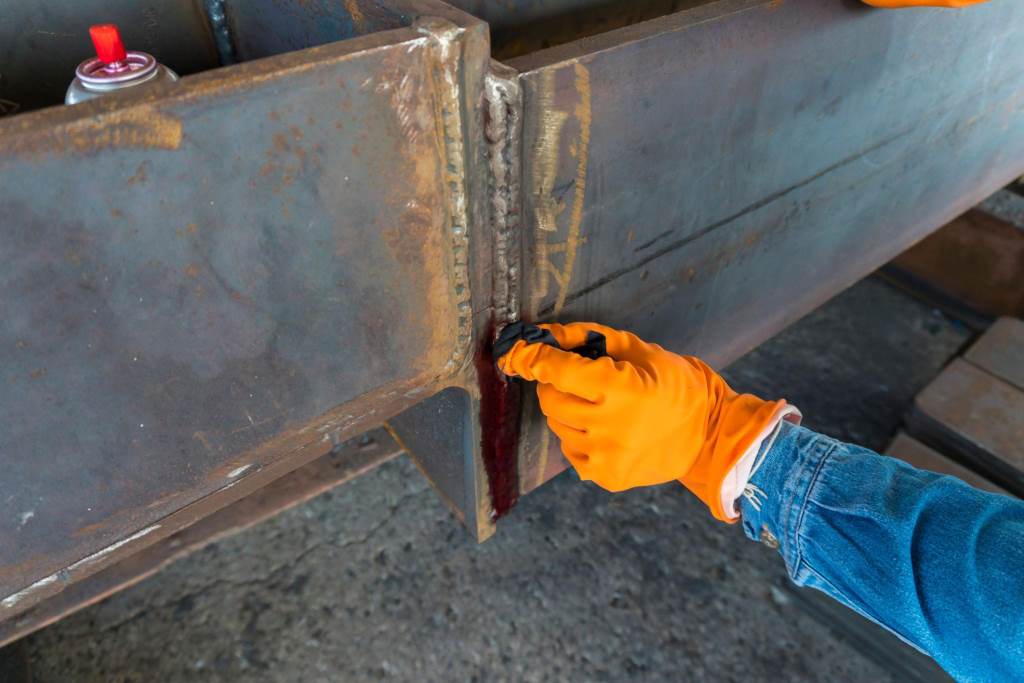
- Visual inspection for surface pores
- Ultrasonic testing for internal defects
- Radiographic testing for critical structures
Regular inspection helps detect issues early.
Benefits of Preventing Porosity
Preventing porosity offers long-term advantages:
- Stronger weld joints
- Reduced repair costs
- Improved safety
- Better appearance
- Higher productivity
These benefits make prevention a worthwhile investment.
Conclusion
Learning how to prevent porosity in welding requires attention to detail and consistent practice. Clean materials, proper gas settings, and correct technique form the foundation of high-quality welds. Additionally, maintaining equipment and controlling the environment further reduces risks. By applying these strategies, you can produce strong, reliable welds with minimal defects. Start implementing these methods today and improve your welding results immediately.
FAQs
What is the main cause of porosity in welding?
Contamination and poor shielding gas coverage are the most common causes. Both introduce unwanted gases into the weld.
Can porosity be fixed after welding?
Yes, but it often requires grinding out the defect and rewelding the area. Prevention is always better than repair.
Which welding process is most prone to porosity?
Flux-cored and MIG welding are more prone due to gas shielding requirements.
How do I check for porosity?
You can use visual inspection for surface defects and ultrasonic or X-ray testing for internal issues.
Does humidity affect welding porosity?
Yes, high humidity introduces moisture, which leads to hydrogen-related porosity.