
MIG welding remains one of the most popular welding methods across the USA because it offers speed, reliability, and clean results. According to industry reports, millions of welding professionals and hobbyists rely on MIG welding for fabrication, automotive repairs, and home projects every year. Whether you want to build furniture, repair metal equipment, or improve workshop skills, learning proper techniques makes every project safer and stronger. This guide explains every important step with practical advice that helps beginners develop confidence while helping experienced welders improve consistency.
Understand the Basics of MIG Welding
MIG welding uses a continuously fed wire electrode and shielding gas to join metal pieces efficiently. Before starting any project, review essential prevent arc flash welding safety guide practices because proper protection greatly reduces injury risks.
The welding machine feeds wire automatically through the welding gun while electrical current creates an arc. The arc melts both the wire and the base metal, forming a durable weld after cooling.
MIG stands for Metal Inert Gas welding, although many professionals also call it Gas Metal Arc Welding. This process works well with steel, stainless steel, and aluminum using the correct equipment.
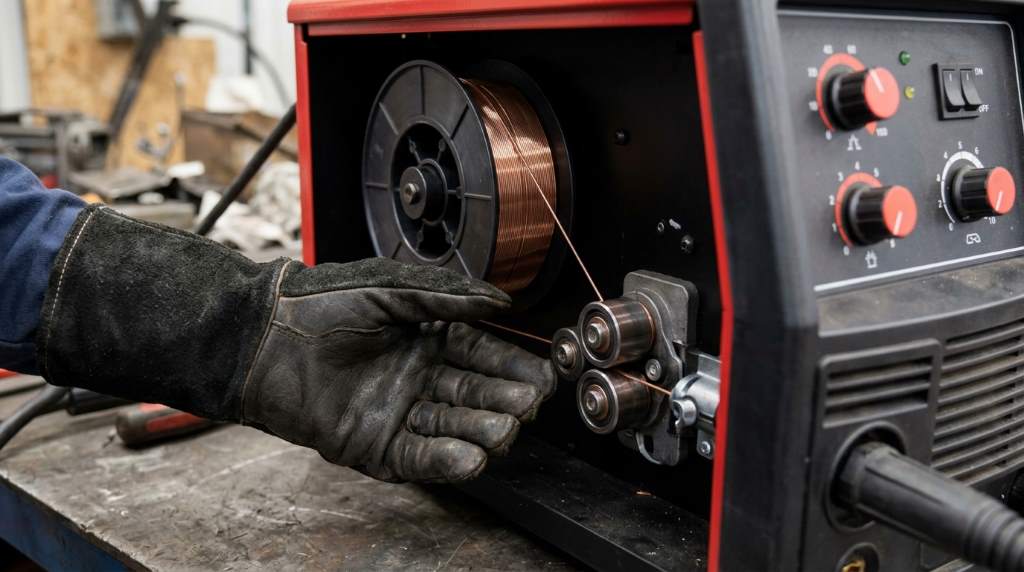
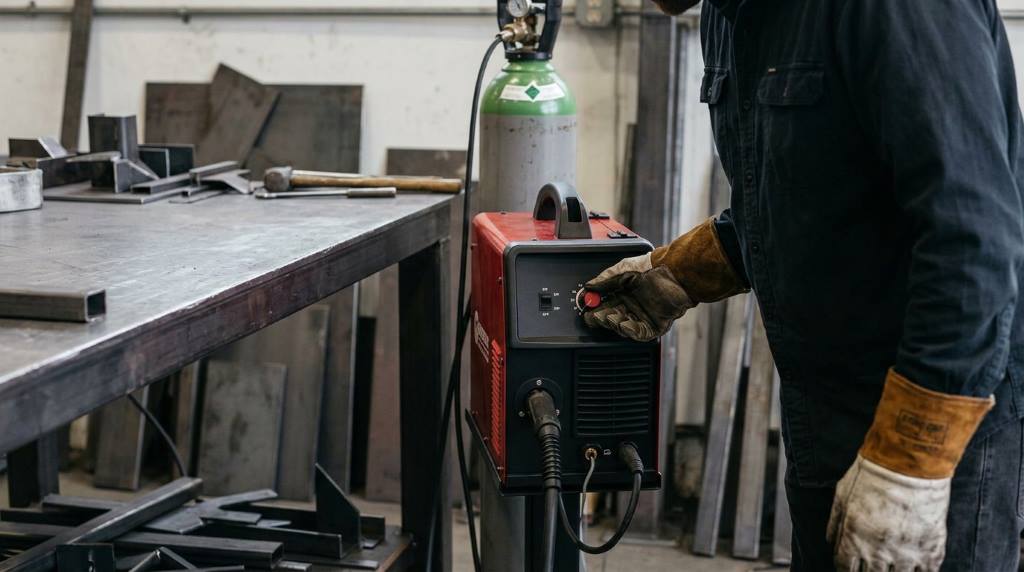
Main Components of a MIG Welder
- Power source
- Wire feeder
- Welding gun
- Ground clamp
- Shielding gas cylinder
- Contact tip
- Wire spool
Gather the Right Equipment
Selecting suitable equipment improves weld quality while reducing common mistakes. Likewise, prepare every tool before striking the first arc to maintain a smooth workflow.
Your welding helmet should feature an auto darkening lens with proper shade settings. Additionally, wear leather gloves, flame resistant clothing, and durable boots for complete protection.
Choose the correct wire diameter according to metal thickness and project requirements. Most beginners achieve excellent results using ER70S 6 wire with a mixed shielding gas.
Essential Supplies
- MIG welding machine
- Shielding gas
- Matching welding wire
- Wire brush
- Angle grinder
- Clamps
- Measuring tools
- Safety gear
Prepare the Metal Before Welding
Proper preparation directly affects weld strength and appearance. Therefore, always remove contaminants before beginning the welding process using proven clean weld joint before welding methods that improve fusion.
Clean away rust, paint, grease, oil, and dirt using a grinder or wire brush. Clean metal allows better penetration while reducing porosity and weak spots.
Align the workpieces carefully and secure them firmly using clamps. Stable materials help maintain straight welds without unwanted movement.
Check Joint Fit Up
Ensure both metal pieces fit together with consistent spacing before welding. Good joint alignment reduces distortion while creating stronger finished welds.
Set Up Your MIG Welder Correctly
Machine settings determine arc stability and weld quality. Furthermore, maintain a clean workspace with a reliable diy welding fume extractor guide solution to improve air quality during every project.
Select voltage and wire feed speed according to the material thickness. Many welding machines include charts that recommend suitable starting settings.
Connect the ground clamp securely to clean metal before welding begins. Good grounding creates a stable electrical circuit with fewer arc interruptions.
Common Shielding Gas Choices
- 75 percent Argon and 25 percent Carbon Dioxide for mild steel
- 100 percent Carbon Dioxide for deeper penetration
- Pure Argon for many aluminum applications
Learn the Correct Welding Technique
Maintain a steady travel speed throughout the weld bead for consistent penetration. Meanwhile, keep your movements smooth instead of rushing the process.
Hold the welding gun at about a fifteen degree angle while maintaining the recommended stick out distance. This position produces better visibility and improved arc control.
Watch the weld puddle instead of focusing only on the bright arc. Careful puddle control helps produce smooth, even welds across the joint.
Push or Pull Method
The push technique creates flatter welds with better visibility for many applications. However, the pull technique often provides deeper penetration when required.
Avoid Common MIG Welding Mistakes
Many beginners struggle because they move too quickly or use incorrect settings. Fortunately, these issues become easier to correct through regular practice.
Excessive wire feed causes unstable arcs and unwanted spatter during welding. Likewise, low voltage often creates poor penetration and weak weld joints.
Ignoring metal cleanliness leads to contamination that weakens finished welds. Always inspect the workpiece before starting another welding pass.
Signs of Poor Weld Quality
- Excessive spatter
- Undercut along edges
- Porosity holes
- Uneven bead appearance
- Poor penetration
- Visible cracks
Practice Different Joint Types
Each joint requires slightly different positioning and travel techniques. Consequently, practice several joint styles before working on important projects.
Start with flat welds because they offer the greatest control for beginners. After building confidence, continue practicing vertical and overhead welding positions.
Important Joint Types
- Butt joint
- Lap joint
- T joint
- Corner joint
- Edge joint
Inspect and Finish the Weld
Allow the weld to cool naturally before inspecting the finished bead. Then remove any remaining slag, spatter, or discoloration using suitable tools.
Look for consistent bead width, smooth appearance, and complete fusion across the joint. Strong welds usually display uniform ripples without visible defects.
If necessary, grind rough areas carefully while preserving the weld strength. Finally, apply protective coatings whenever the project requires corrosion resistance.
Safety Tips Every Welder Should Follow
Protective equipment should remain your highest priority during every welding session. Bright arcs, hot metal, and flying sparks can cause serious injuries without proper precautions.
Work inside a well ventilated area with effective fume control equipment whenever possible. Also, keep a fire extinguisher nearby because welding sparks may ignite combustible materials.
Inspect cables, gas hoses, and electrical connections before every project begins. Safe equipment reduces unexpected failures while improving overall performance.
Conclusion
Learning how to mig weld takes patience, consistent practice, and careful attention to safety. Every successful project begins with clean materials, correct machine settings, and controlled welding techniques.
Continue practicing different joints while improving your equipment setup and inspection skills. Apply these proven methods consistently, and you will create stronger, cleaner, and more professional welds on future projects throughout the USA.
Frequently Asked Questions
Is MIG welding good for beginners?
Yes, MIG welding is one of the easiest welding methods for beginners to learn.
What metal thickness is best for MIG welding?
MIG welding works well on thin sheet metal and thicker steel with proper machine settings.
Do I need shielding gas for MIG welding?
Most MIG welding projects require shielding gas unless using flux core wire.
How can I reduce welding spatter?
Use correct voltage, wire feed speed, and clean metal surfaces before welding.
How often should I practice MIG welding?
Regular weekly practice improves welding consistency, speed, and overall weld quality.