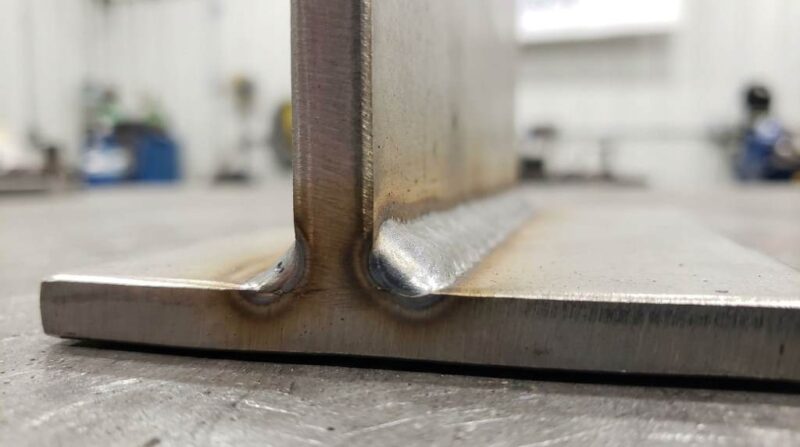

Undercut at the toes of a weld bead is a common defect that weakens joints and reduces structural integrity. Studies show that over 30 percent of weld failures in industrial applications stem from improper bead formation. This issue often arises from incorrect settings or poor technique. Addressing it early ensures stronger and more reliable welds.
Understanding Undercut in Welding
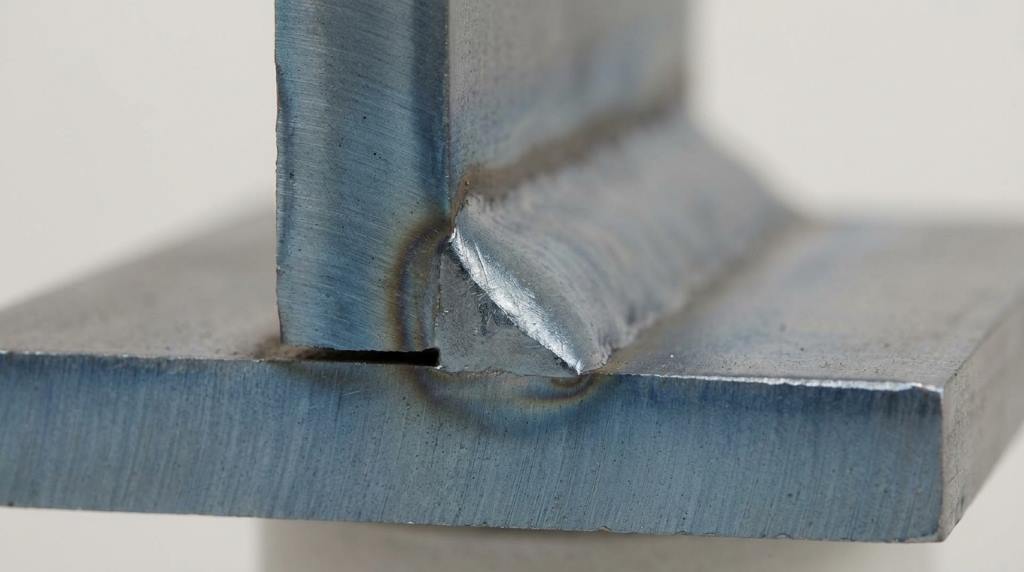
Undercut refers to a groove or depression that forms at the edge of a weld bead. It occurs when the base metal melts away faster than the filler material can replace it. This creates a weak spot that can crack under stress. Undercut is most visible in fillet and butt welds.
The defect reduces the effective thickness of the base metal at the weld toe. It also increases the risk of fatigue failure in dynamic applications. Welders must inspect joints carefully to detect undercut early. Proper lighting and magnification tools help in identifying subtle imperfections.
Primary Causes of Undercut at Weld Toes
Excessive Welding Current
High amperage settings cause the base metal to melt too quickly. This leads to a lack of filler material to fill the gap. The result is a groove at the weld toe. Adjusting the current to match the material thickness prevents this issue.
Welders should refer to manufacturer guidelines for optimal settings. Testing on scrap material helps fine tune the amperage before starting the actual weld. This step ensures consistent and high quality results.
Improper Travel Speed
Moving the torch too fast prevents proper fusion between the filler and base metal. The weld pool does not have enough time to fill the joint. This results in undercut along the edges. Slowing down the travel speed allows better deposition.
Conversely moving too slowly can cause excessive heat buildup and burn through. Finding the right balance is crucial for a smooth and even weld bead. Practice on similar materials improves speed control.
Incorrect Electrode Angle
Holding the electrode at the wrong angle directs heat unevenly across the joint. A steep angle can cause one side to melt faster than the other. This creates undercut on the side with less heat. Maintaining a consistent 10 to 15 degree angle ensures even heat distribution.
Drag and push techniques also affect heat input and bead shape. Welders should experiment with both methods to see which works best for their application. Proper angle and technique reduce the risk of undercut significantly.
Poor Joint Preparation
Dirty or oxidized surfaces prevent proper fusion and increase the likelihood of undercut. Rust scale and moisture act as barriers between the filler and base metal. Cleaning the joint thoroughly before welding removes these contaminants.
A clean weld joint before welding ensures a strong bond and reduces defects. Using a wire brush or grinder to remove oxide layers improves weld quality. Proper preparation is half the battle in achieving a flawless weld.
Inadequate Filler Material
Using the wrong type or diameter of filler rod can lead to an undercut. A rod that is too thick may not melt fast enough to fill the joint. A rod that is too thin may not provide enough material. Selecting the correct filler for the base metal and joint type is essential.
The filler material should match the chemical composition of the base metal for optimal results. Consulting welding charts and experts helps in making the right choice. Proper filler selection prevents many common welding defects.
Incorrect Gas Flow or Shielding
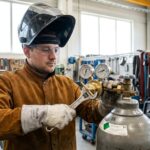
Insufficient shielding gas allows atmospheric contaminants to interfere with the weld pool. This can cause porosity and undercut. Ensuring adequate gas flow protects the molten metal from oxidation. Checking for leaks in the gas hose and regulator is a simple but critical step.
The type of gas also matters for different welding processes and materials. Argon is commonly used for TIG welding while a mix of argon and carbon dioxide works well for MIG. Using the right gas and flow rate improves weld quality and reduces defects.
Less Common but Critical Causes
Electrode Extension
Holding the electrode too far from the workpiece increases resistance and heat. This can cause the base metal to melt excessively at the edges. Keeping a short and consistent electrode extension minimizes this risk. The ideal extension is usually between 1/4 to 1/2 inch for most applications.
Longer extensions are sometimes necessary for better visibility or access to tight spaces. In such cases adjusting the amperage compensates for the increased resistance. Balancing these factors ensures a stable arc and proper fusion.
Base Metal Properties
Some metals like aluminum and copper have high thermal conductivity. They dissipate heat quickly, which can lead to uneven melting and undercut. Preheating the base metal helps in achieving a more uniform weld pool. This is especially important for thicker materials.
The composition of the base metal also affects its melting point and fluidity. Alloys with high carbon content are more prone to cracking and undercut. Understanding the material properties allows welders to adjust their technique accordingly.
Arc Length Variations
Maintaining a consistent arc length is crucial for a stable weld pool. A long arc increases heat input and can cause the base metal to melt unevenly. A short arc may lead to incomplete fusion and a rough bead appearance. Practicing steady hand movements helps in keeping the arc length constant.
The ideal arc length varies depending on the welding process and electrode type. For stick welding a short arc is generally preferred. For TIG welding a slightly longer arc allows for better control and visibility.
Unique and Uncommon Causes
Magnetic Arc Blow
Magnetic arc blow occurs when magnetic fields in the base metal deflect the arc. This is common in DC welding especially with ferromagnetic materials. The deflection can cause uneven heat distribution and undercut on one side of the joint.
Using AC current or changing the ground clamp position can reduce magnetic arc blow. Welders can also use non magnetic backing bars to minimize the effect. Being aware of this phenomenon helps in troubleshooting uneven weld beads.
Thermal Expansion and Contraction
As the metal heats and cools it expands and contracts. This movement can pull the edges of the joint apart during welding. The result is a groove or undercut at the weld toe. Preheating the metal and using proper clamping techniques reduces this effect.
The rate of cooling also affects the final weld appearance and strength. Slow cooling allows the filler material to flow better and fill any gaps. Using insulating blankets or controlled cooling methods improves the outcome.
Electrode Contamination
Contaminated electrodes introduce impurities into the weld pool. These impurities can interfere with fusion and cause defects like undercut. Cleaning the electrode with a dedicated wire brush removes surface contaminants. Storing electrodes in a dry and clean environment prevents recontamination.
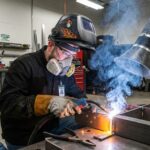
Using a DIY welding fume extractor guide helps in maintaining a clean workspace. Proper electrode handling and storage are simple but effective ways to improve weld quality.
How to Prevent Undercut in Welding
Optimize Welding Parameters
Start by setting the correct amperage and voltage for the material and joint type. Refer to welding procedure specifications or manufacturer guidelines. Fine tune the settings based on test welds to achieve the desired bead shape.
Adjust the travel speed to ensure proper fusion and filler deposition. A steady and consistent speed prevents undercut and other defects. Practicing on scrap material builds confidence and skill.
Improve Joint Preparation
Clean the joint surfaces thoroughly to remove rust scale and moisture. Use a wire brush grinder or chemical cleaner as needed. Proper fit up and alignment of the joint edges also reduce the risk of undercut.
Beveling the edges for thicker materials allows better access and fusion. The angle and root gap should match the welding procedure specifications. Good preparation sets the stage for a successful weld.
Use Proper Technique
Maintain a consistent electrode angle and arc length throughout the weld. Use the drag or push technique that works best for the application. Control the heat input by adjusting the travel speed and amperage as needed.
Weaving or oscillating the electrode can help in filling wide joints evenly. However, excessive weaving can lead to uneven heat distribution and undercut. Keep the movements smooth and controlled.
Select the Right Filler Material
Choose a filler rod or wire that matches the base metal in composition and strength. The diameter should be appropriate for the joint thickness and welding process. Using the correct filler ensures good fusion and minimizes defects.
For dissimilar metals, select a filler that is compatible with both base materials. Consult welding charts or experts for guidance. Proper filler selection is a key factor in achieving high quality welds.
Ensure Adequate Shielding
Check the shielding gas flow rate and ensure it is sufficient for the application. Use the correct type of gas for the welding process and material. Inspect the gas hose and regulator for leaks or damage.
Proper shielding protects the weld pool from atmospheric contamination. It also helps in achieving a smooth and even bead appearance. Regularly check and maintain the gas supply system for optimal performance.
Practical Tips for Fixing Undercut
Grinding and Rewelding
For minor undercut, grinding the affected area and rewelding can restore the joint strength. Use a grinder to remove the undercut groove and clean the surface. Apply a small weld bead to fill the area and blend it with the surrounding metal.
Ensure the rewelded area is properly fused with the base metal. Inspect the joint again to confirm the defect is resolved. This method works well for small and isolated undercut areas.
Using Backing Bars
Backing bars provide support to the joint and prevent excessive melt through. They also help in achieving a smoother and more even weld bead. Use non metallic or ceramic backing bars for high temperature applications.
Backing bars are especially useful for butt welds on thin materials. They reduce the risk of undercut by supporting the molten metal. Proper placement and material selection are important for effective results.
Adjusting Welding Position
Changing the welding position can help in controlling the heat input and filler deposition. For example, welding in the vertical position may reduce the risk of undercut compared to the flat position. Experiment with different positions to find the best approach for the application.
Using proper fixtures and clamps to hold the workpiece in position improves stability. This allows for better control and consistency in the weld bead. Secure positioning is especially important for out of position welding.
Real World Examples and Case Studies
Automotive Industry
In automotive manufacturing, undercut can lead to weak spots in the chassis and frame. This poses a serious safety risk in case of a collision. Automakers use automated welding systems with precise parameter control to minimize defects.
Regular inspections and quality control measures ensure welds meet strict industry standards. Training and certification programs for welders also play a crucial role. These efforts help in maintaining high levels of weld quality and reliability.
Construction Sector
Structural steel welding in construction requires strong and defect free joints. Undercut can compromise the integrity of beams columns and connections. Welders in this sector follow detailed procedures and use advanced equipment to achieve consistent results.
Non destructive testing methods like ultrasonic and magnetic particle inspection detect hidden defects. These tests are performed on critical welds to ensure they meet design specifications. Proper testing and inspection are essential for safety and longevity.
Pipeline Welding
Pipeline welds are subjected to high pressure and temperature variations. Undercut can lead to leaks and catastrophic failures. Pipeline welders use specialized techniques and materials to ensure strong and durable joints.
Automated welding systems and orbital welding equipment are commonly used in this field. These systems provide precise control over the welding parameters and reduce human error. Advanced technology and training contribute to high quality pipeline welds.
Conclusion
Undercut at the toes of a weld bead is a preventable defect with the right knowledge and technique. Understanding the causes and implementing proper welding practices ensures strong and reliable joints. Regular inspection and quality control measures help in detecting and addressing issues early.
Investing in training and using advanced equipment improves weld quality and productivity. Welders should stay updated with the latest industry standards and best practices. Continuous learning and improvement are key to success in this field.
Take action today to review and optimize your welding procedures. Implement the tips and techniques discussed in this article to minimize undercut and other defects. Strong and high quality welds are the foundation of safe and durable structures.
FAQ
What is undercut in welding?
Undercut is a groove or depression at the edge of a weld bead caused by excessive melting of the base metal.
How does excessive current cause undercut?
High amperage melts the base metal too quickly for the filler material to fill the gap.
Can improper travel speed lead to undercut?
Yes moving too fast prevents proper fusion and filler deposition resulting in undercut.
Why is joint preparation important in preventing undercut?
Clean and properly fitted joints ensure good fusion and reduce the risk of defects like undercut.
What role does shielding gas play in preventing undercut?
Adequate shielding gas protects the weld pool from contamination and helps achieve a smooth bead.