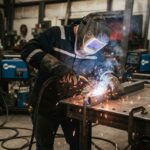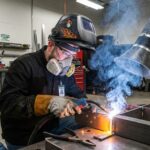

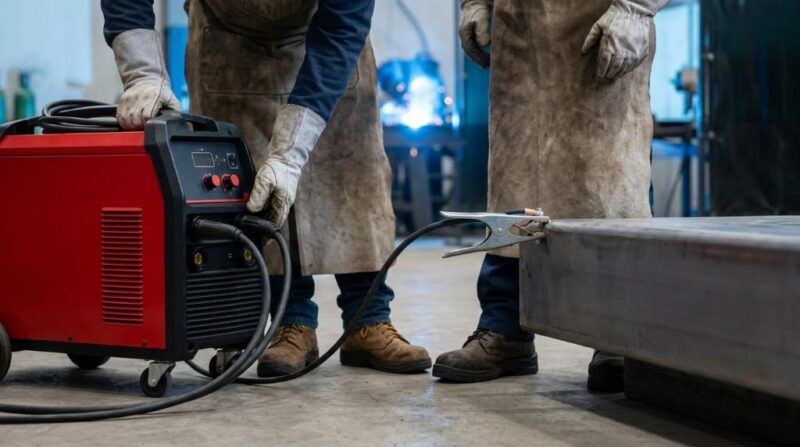

Arc flash incidents in welding cause over 2,000 injuries annually in the USA. These sudden electrical explosions release intense heat and light. They can lead to severe burns, vision loss, or even fatal accidents. Welders must prioritize safety to avoid these hazards. Proper training and equipment are key to reducing risks.
Understanding Arc Flash in Welding
An arc flash occurs when electrical current travels through the air between conductors. This creates a bright flash of light and extreme heat. The sudden release of energy can cause explosions. Welders are especially vulnerable due to high-current equipment. Proper grounding and insulation reduce these risks.
The temperature of an arc flash can exceed 35,000 degrees Fahrenheit. This is hotter than the surface of the sun. Such extreme heat can vaporize metal and cause severe injuries. The intense light can also damage eyesight permanently. Welders must use protective gear to shield against these dangers.
Common Causes of Arc Flash in Welding
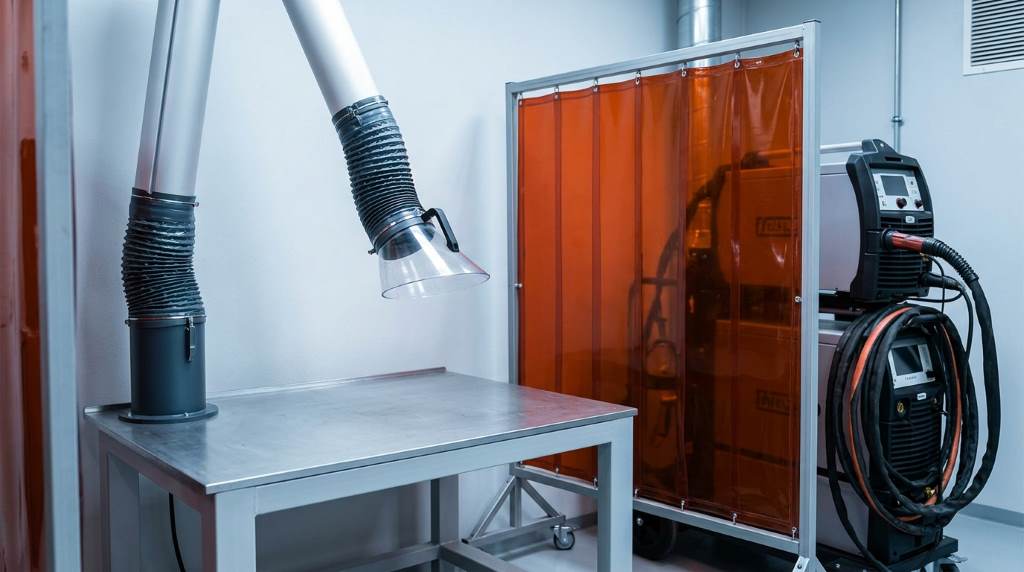
Faulty or damaged welding cables are a leading cause of arc flash. Worn insulation exposes live wires to each other or to metal surfaces. This creates a path for electrical current to arc. Regular inspection of cables prevents such hazards. Replace damaged cables immediately to ensure safety.
Improper grounding is another major contributor to arc flash incidents. Welding machines must be grounded correctly to the workpiece. Poor grounding increases the risk of electrical faults. Always check grounding clamps and connections before starting work. A secure ground connection directs current safely away from the welder.
Wet or damp conditions heighten the risk of arc flash. Water conducts electricity, creating unintended paths for current. Welders should avoid working in rainy or humid environments. If work cannot be postponed, use waterproof gear and ensure dry conditions. Keeping the workspace dry is a simple yet effective preventive measure.
Using the wrong voltage or current settings can also trigger arc flash. Exceeding the recommended settings for a welding task overloads the circuit. This can cause electrical arcing between components. Always refer to the manufacturer’s guidelines for proper settings. Adjusting the machine correctly ensures safe and efficient operation.
Essential Safety Equipment to Prevent Arc Flash
Wearing the right personal protective equipment (PPE) is critical for welder safety. Flame-resistant clothing protects against burns from arc flash. Leather jackets, gloves, and pants are standard for welders. These materials resist high temperatures and prevent severe injuries. Always ensure PPE is in good condition before use.
A welding helmet with the correct shade level shields the eyes from intense light. Arc flash produces ultraviolet and infrared radiation harmful to vision. Auto-darkening helmets adjust shade levels automatically for convenience. However, passive helmets with fixed shades also provide adequate protection. Choose a helmet that meets safety standards for your specific welding process.
Insulated gloves are essential to prevent electrical shocks and arc flash. Class A and Class B welding gloves offer different levels of protection. Class A gloves provide higher electrical insulation for high-risk tasks. Always select gloves rated for the voltage and amperage of your welding machine.
Safety boots with electrical insulation protect welders from ground faults. These boots prevent current from passing through the body in case of an accident. Steel-toe boots also protect against heavy falling objects. Ensure your footwear meets occupational safety standards. Proper boots are a small investment for long-term safety.
Best Practices to Avoid Arc Flash
Regularly inspect welding machines and accessories for damage or wear. Look for frayed cables, loose connections, or corroded parts. Address any issues immediately to prevent electrical faults. A well-maintained machine operates safely and efficiently. Schedule routine maintenance to keep equipment in top condition.
Always follow the manufacturer’s guidelines for operating welding equipment. Each machine has specific requirements for voltage, current, and duty cycle. Exceeding these limits increases the risk of arc flash. Refer to the user manual for proper settings and procedures. Adhering to guidelines ensures safe and effective welding.
Keep the workspace clean and free of clutter to minimize hazards. Flammable materials, oil, or debris can ignite from sparks or heat. Store welding rods, cables, and tools neatly to avoid tripping hazards. A tidy workspace reduces the risk of accidents and improves productivity. Maintain a safe environment for everyone on the job site.
Use ground fault circuit interrupters (GFCIs) to detect and prevent electrical faults. GFCIs cut off power when they sense an imbalance in current flow. This prevents electrical shocks and arc flash incidents. Install GFCIs on all welding circuits for added protection. These devices are a simple yet effective safety measure.
Advanced Techniques for Arc Flash Prevention
Implementing a lockout/tagout (LOTO) procedure ensures equipment is safely de-energized. LOTO prevents accidental startup of machines during maintenance or repairs. Always follow proper LOTO procedures before working on electrical components. This practice protects welders from unexpected electrical hazards.
Use remote control devices to adjust welding settings from a safe distance. Remote controls reduce the need to approach live electrical components. This minimizes exposure to potential arc flash incidents. Modern welding machines often include remote control capabilities. Utilize these features to enhance safety and convenience.
Install arc flash detection systems in high-risk welding environments. These systems monitor electrical currents and detect faults in real time. They can trigger alarms or shut down equipment automatically. Arc flash detection adds an extra layer of protection for welders. Consider these systems for industrial or large-scale welding operations.
Train all personnel on arc flash hazards and preventive measures. Knowledge is the first line of defense against accidents. Conduct regular safety meetings and drills to reinforce best practices. Ensure everyone understands the risks and knows how to respond in an emergency. A well-informed team is a safer team.
Unique Discussion: The Role of Humidity in Arc Flash Risks
Humidity levels in the workspace can significantly impact arc flash risks. High humidity increases the conductivity of air, making it easier for electrical current to arc. This is especially relevant in coastal or tropical regions where moisture levels are high. Welders in such areas must take extra precautions to prevent arc flash incidents.
Using dehumidifiers in indoor welding environments helps maintain safe humidity levels. Keeping the air dry reduces the likelihood of electrical arcing. Monitor humidity levels regularly and adjust as needed. This proactive approach minimizes risks associated with damp conditions.
In outdoor settings, welders should avoid working during rainy or foggy weather. Moisture in the air increases the risk of arc flash and electrical shocks. If outdoor work is unavoidable, use waterproof covers for equipment and wear appropriate PPE. Prioritize safety over convenience in adverse weather conditions.
Understanding the relationship between humidity and arc flash helps welders adapt their practices. By controlling environmental factors, they can create a safer workspace. This knowledge is often overlooked but critical for preventing accidents. Always consider humidity as part of your safety checklist.
Emergency Response for Arc Flash Incidents
In case of an arc flash, immediately turn off the power source to stop the electrical flow. Use the emergency stop button on the welding machine if available. Do not attempt to touch or move the victim until the power is off. Quick action can prevent further injury or damage.
Call for medical assistance right away if someone is injured. Arc flash injuries often require professional medical treatment. Provide first aid if you are trained to do so. Keep a first aid kit accessible in the workspace. Preparedness can save lives in critical situations.
Inspect the area for additional hazards before resuming work. Look for damaged equipment, exposed wires, or flammable materials. Address any issues before restarting the welding machine. Ensure the workspace is safe for everyone before continuing operations.
Report all arc flash incidents to supervisors or safety officers. Document the details of the event, including causes and injuries. This information helps prevent future accidents and improves safety protocols. Transparency and accountability are essential for a safe work environment.
Conclusion
Preventing arc flash in welding requires a combination of knowledge, equipment, and best practices. Welders must understand the risks and take proactive steps to mitigate them. Regular training, proper PPE, and a clean workspace are fundamental to safety. Always prioritize caution and preparedness in every welding task.
By following the guidelines outlined in this article, welders can significantly reduce the risk of arc flash incidents. Safety is not just a regulation but a responsibility to oneself and others. Stay informed, stay equipped, and stay safe. Your vigilance can prevent accidents and save lives.
Take action today by reviewing your safety protocols and equipment. Ensure your team is trained and your workspace is hazard-free. For more tips on welding safety, explore resources like preventing porosity in welding and high frequency aluminum TIG setups. Safety is a continuous effort that pays off in the long run.
FAQ
What is an arc flash in welding?
An arc flash is a sudden electrical explosion that releases intense heat and light during welding.
How can I prevent arc flash while welding?
Use proper PPE, inspect equipment regularly, and follow manufacturer guidelines for safe operation.
What PPE is essential for preventing arc flash?
Flame-resistant clothing, insulated gloves, safety boots, and a welding helmet with the correct shade level are essential.
Why is humidity a factor in arc flash risks?
High humidity increases air conductivity, making it easier for electrical current to arc and cause flash.
What should I do if an arc flash occurs?
Turn off the power source immediately, call for medical help if needed, and inspect the area for hazards.