
MIG welding stands as one of the most popular welding methods today. It uses a wire feed to create strong, clean joints quickly. Over 50 percent of industrial welding jobs rely on this process for efficiency. Beginners and professionals alike favor it for its ease of use and versatility. This guide will help you understand its core principles and practical applications.
Understanding the Basics of MIG Welding
MIG welding is also known as Gas Metal Arc Welding or GMAW. It uses a consumable wire electrode to join metals together. A shielding gas protects the weld pool from contamination. This method works well for steel, aluminum, and stainless steel. It is widely used in automotive, construction, and manufacturing industries.
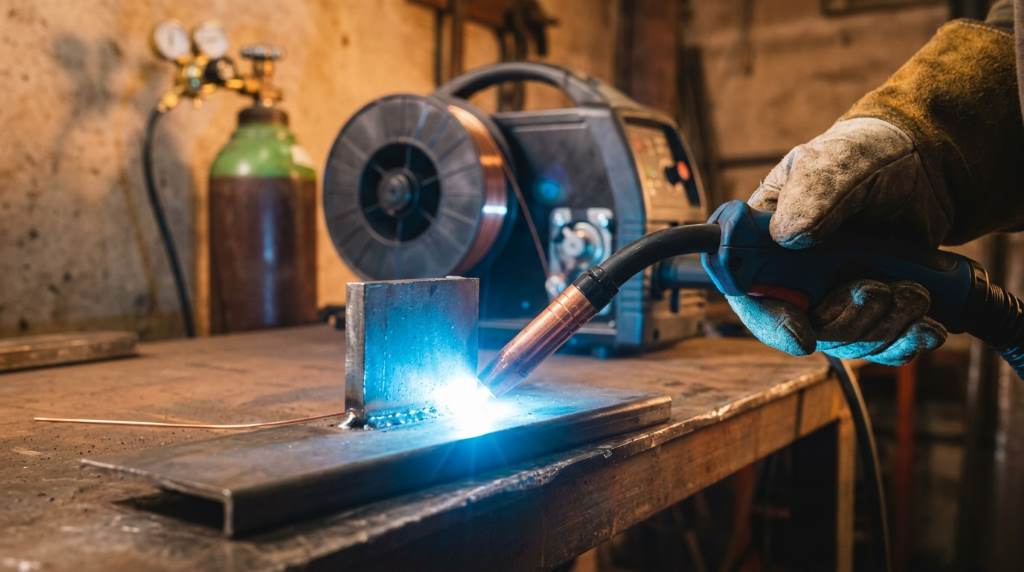
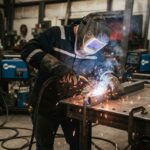
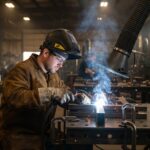
The process starts with an electric arc between the wire and the workpiece. The wire melts and forms a pool of molten metal. As the wire feeds continuously, it creates a strong bond. Operators control the speed and direction of the weld. This allows for precise and efficient work on various metal thicknesses.
MIG welding is often compared to TIG and stick welding. It is faster than TIG but less precise for thin materials. Unlike stick welding, it produces less slag and spatter. This makes cleanup easier and faster. The ability to weld in all positions adds to its versatility.
One unique aspect is its suitability for outdoor projects. With the right high frequency setups, it can handle windy conditions better than other methods. This adaptability makes it a top choice for fieldwork. Many professionals prefer it for its balance of speed and quality.
Key Components of a MIG Welding Setup
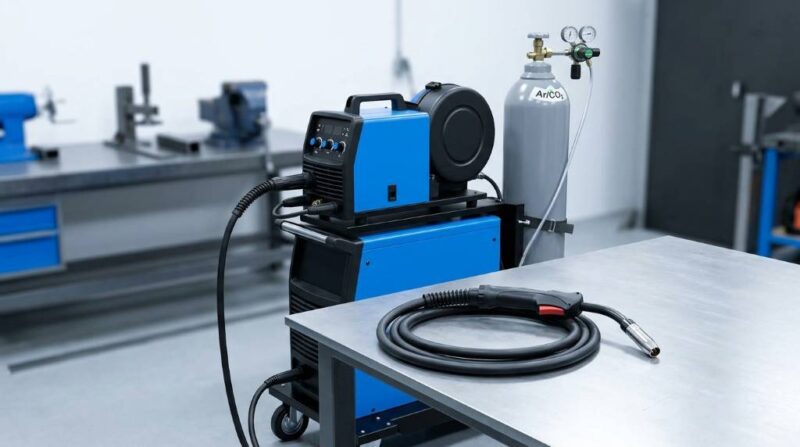
A MIG welding machine is the heart of the operation. It provides the power and controls the wire feed speed. Modern machines offer adjustable settings for voltage and amperage. This allows welders to fine-tune their work for different materials. Some models even include synergic controls for easier setup.
The welding gun delivers the wire and shielding gas to the workpiece. It has a trigger that controls the wire feed and arc start. Guns come in various sizes and cooling methods. Air-cooled guns are common for light-duty work. Water-cooled guns are better for high-amperage applications.
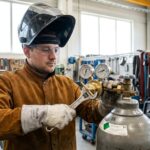
Shielding gas is crucial for protecting the weld from atmospheric contamination. Common gases include argon, helium, and carbon dioxide. Each gas has its benefits and drawbacks. Argon is versatile and works well for most metals. Carbon dioxide is cheaper but produces more spatter.
The wire electrode comes in different diameters and materials. The choice depends on the metal being welded. Solid wires are typical for steel and aluminum. Flux-cored wires are used for outdoor work or dirty materials. Selecting the right wire ensures a strong and clean weld.
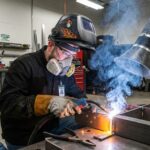
Safety gear is non-negotiable in welding. A welding helmet protects the eyes from harmful UV rays. Gloves shield the hands from heat and sparks. For MIG welding, Class A or B gloves are recommended for optimal protection. Proper clothing and ventilation are also essential for safety.
Advantages of MIG Welding
MIG welding is known for its speed and efficiency. It allows for continuous welding without frequent stops. This makes it ideal for long welds and production work. The process is also easier to learn than TIG or stick welding.
It produces clean welds with minimal slag. This reduces the need for post-weld cleanup. The ability to weld thin materials is another advantage. This is particularly useful in automotive and sheet metal work. The versatility of MIG welding extends to various metals and positions.
The method is highly productive for both indoor and outdoor projects. It works well in workshops and on construction sites. The use of shielding gas ensures high-quality welds. This makes it a preferred choice for professional welders. Its adaptability also suits hobbyists and DIY enthusiasts.
MIG welding is cost-effective for many applications. The equipment is widely available and relatively affordable. Consumables like wire and gas are also reasonably priced. This makes it accessible for both professionals and beginners. The long-term benefits often outweigh the initial investment.
Common Applications of MIG Welding
Automotive repair is a major application of MIG welding. It is used for bodywork, frame repairs, and custom modifications. The ability to weld thin metals makes it ideal for car panels. Many auto shops rely on MIG for its speed and quality.
Construction industries use MIG welding for structural steelwork. It is common in building frameworks, bridges, and pipelines. The method’s strength and durability suit heavy-duty applications. It is also used in manufacturing for fabricating metal products. This includes furniture, machinery, and equipment.
DIY projects and home repairs often use MIG welding. It is great for making metal furniture, gates, and fences. Hobbyists appreciate its ease of use and versatility. Many home workshops have a MIG welder for various tasks. The ability to weld different metals adds to its appeal.
Artistic welding is another area where MIG shines. Sculptors and artists use it to create metal artworks. The clean welds and control make it suitable for detailed work. Many artists prefer it for its balance of precision and speed. This opens up creative possibilities for metal art.
Step-by-Step Guide to MIG Welding
Start by setting up your welding machine. Choose the right wire and gas for your material. Adjust the voltage and wire feed speed according to the thickness. Ensure your workpiece is clean and free of rust or paint. This preparation is key to a successful weld.
Put on your safety gear before starting. This includes a helmet, gloves, and protective clothing. Make sure your workspace is well-ventilated. Check that your gas flow is correct and the gun is functioning properly. These steps ensure a safe and efficient welding process.
Practice your technique on scrap metal first. Hold the gun at a 10 to 15-degree angle for best results. Move the gun in a straight line or small circles. Maintain a consistent speed and distance from the workpiece. This helps create a uniform and strong weld bead.
Monitor your weld pool as you work. Adjust your speed and angle if needed. Watch for spatter and adjust your settings to minimize it. Keep an eye on the gas flow to ensure proper shielding. These adjustments help achieve a clean and professional weld.
Inspect your weld after completion. Look for any defects like cracks or incomplete fusion. Clean up any slag or spatter if necessary. Make adjustments to your technique or settings as needed. Continuous practice and refinement lead to better results over time.
Unique Discussion: MIG Welding in Humid Climates
Welding in humid climates presents unique challenges. High humidity can affect the shielding gas and weld quality. Moisture in the air can cause porosity in the weld. This is a common issue in tropical regions like Bangladesh.
Using a welding machines complete guide can help select the right equipment for such conditions. Machines with better gas flow control are advantageous. Proper storage of consumables is also crucial to prevent moisture absorption.
Preheating the metal can help reduce moisture-related issues. This is especially useful for thick materials. Using a dehumidifier in the workspace can also improve weld quality. These steps are essential for achieving strong and clean welds in humid environments.
Regular maintenance of equipment is important in humid climates. Check for rust and corrosion on the machine and accessories. Keep the wire and gas cylinders in dry, sealed containers. These practices extend the life of your equipment and ensure consistent performance.
Safety Tips for MIG Welding
Always wear appropriate personal protective equipment. This includes a welding helmet, gloves, and fire-resistant clothing. Protect your eyes from the bright arc and UV rays. Ensure your workspace is free from flammable materials.
Proper ventilation is crucial to avoid inhaling fumes. Use exhaust fans or work in a well-ventilated area. Be aware of the fumes produced by different metals. Some materials, like galvanized steel, produce toxic fumes and require extra caution.
Keep a fire extinguisher nearby in case of emergencies. Never weld near water or in damp conditions. Ensure all electrical connections are secure and dry. Regularly inspect your equipment for any damage or wear.
Avoid welding in confined spaces without proper ventilation. Be mindful of your surroundings and other people nearby. Always follow the manufacturer’s guidelines for your welding machine. These precautions help prevent accidents and ensure a safe working environment.
Troubleshooting Common MIG Welding Issues
Excessive spatter can be caused by incorrect voltage or wire feed speed. Adjusting these settings can reduce spatter. Ensure the wire is feeding smoothly without any kinks. Using the right shielding gas also helps minimize spatter.
Porosity in the weld can result from contaminated base metal or improper gas flow. Clean the metal thoroughly before welding. Check the gas flow rate and ensure there are no leaks in the hose. These steps help achieve a solid and clean weld.
Incomplete fusion occurs when the weld does not penetrate the base metal sufficiently. Increase the heat input by adjusting the voltage or amperage. Slow down your travel speed to allow more heat to be applied. Proper joint preparation is also crucial for good fusion.
Burn-through happens when too much heat is applied to thin materials. Reduce the voltage or wire feed speed. Use a smaller diameter wire for thinner metals. Practicing on scrap pieces helps find the right settings for your material.
Conclusion
MIG welding is a versatile and efficient method for joining metals. Its speed, ease of use, and clean results make it a favorite among welders. Understanding its components, advantages, and applications helps you make the most of this process. With the right equipment and techniques, you can achieve professional-quality welds.
Whether you are a beginner or a professional, MIG welding offers many benefits. It is suitable for a wide range of projects and industries. By following safety guidelines and troubleshooting common issues, you can ensure successful and safe welding experiences. Start practicing today to master the art of MIG welding.
Ready to start your MIG welding journey? Invest in quality equipment, follow safety protocols, and practice regularly. Join welding forums and communities to learn from others. With dedication and the right approach, you can become proficient in MIG welding.
FAQ
What metals can be welded using MIG welding?
MIG welding works well with steel, aluminum, stainless steel, and some other metals.
Is MIG welding suitable for beginners?
Yes, MIG welding is one of the easiest welding methods for beginners to learn.
What shielding gas is best for MIG welding steel?
A mix of argon and carbon dioxide is commonly used for welding steel.
Can MIG welding be done outdoors?
Yes, but it requires proper shielding gas flow and protection from wind.
How do I prevent porosity in MIG welding?
Clean the base metal thoroughly and ensure proper gas flow to prevent porosity.