
Strong winds are not just a seasonal inconvenience in Oklahoma. They are a constant safety concern, especially in industrial and welding environments. According to the National Weather Service, Oklahoma experiences over 50 tornadoes each year on average, with wind gusts often exceeding 70 miles per hour during severe storms. Because of this, unsecured welding curtains can quickly become dangerous hazards instead of protective barriers.
This guide explains how to properly secure welding curtains in extreme wind conditions. You will learn practical, field tested methods that improve safety, reduce damage, and keep your workspace compliant with safety standards.
Why Wind Is a Serious Problem for Welding Curtains
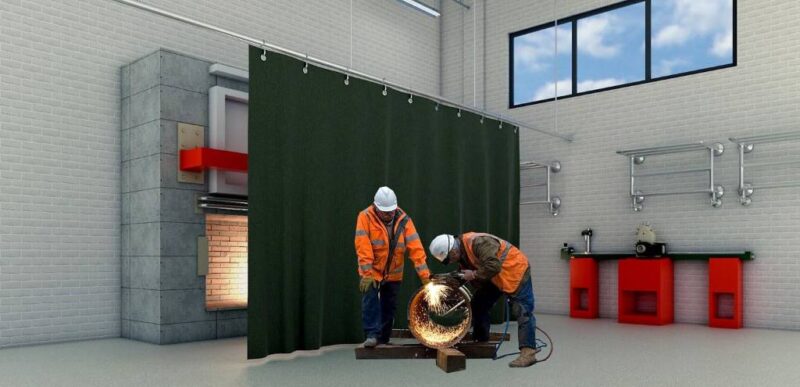
Welding curtains are designed to block sparks, UV radiation, and debris. However, they are not always built to handle extreme wind loads. When strong gusts hit, loose curtains act like sails. As a result, they can tear, detach, or collapse entire frames.
In Oklahoma tornado alley conditions, this risk increases significantly. Sudden pressure changes and directional wind shifts make standard setups unreliable. Because of that, even well installed curtains can fail if they are not reinforced correctly.
Furthermore, unsecured curtains can cause multiple hazards:
- They can expose workers to arc flash
- They can damage equipment
- They can become airborne debris
Therefore, proper securing methods are essential, not optional.
Choosing the Right Welding Curtain Material
Before securing anything, you need the right curtain. Not all welding curtains perform equally in high wind environments.
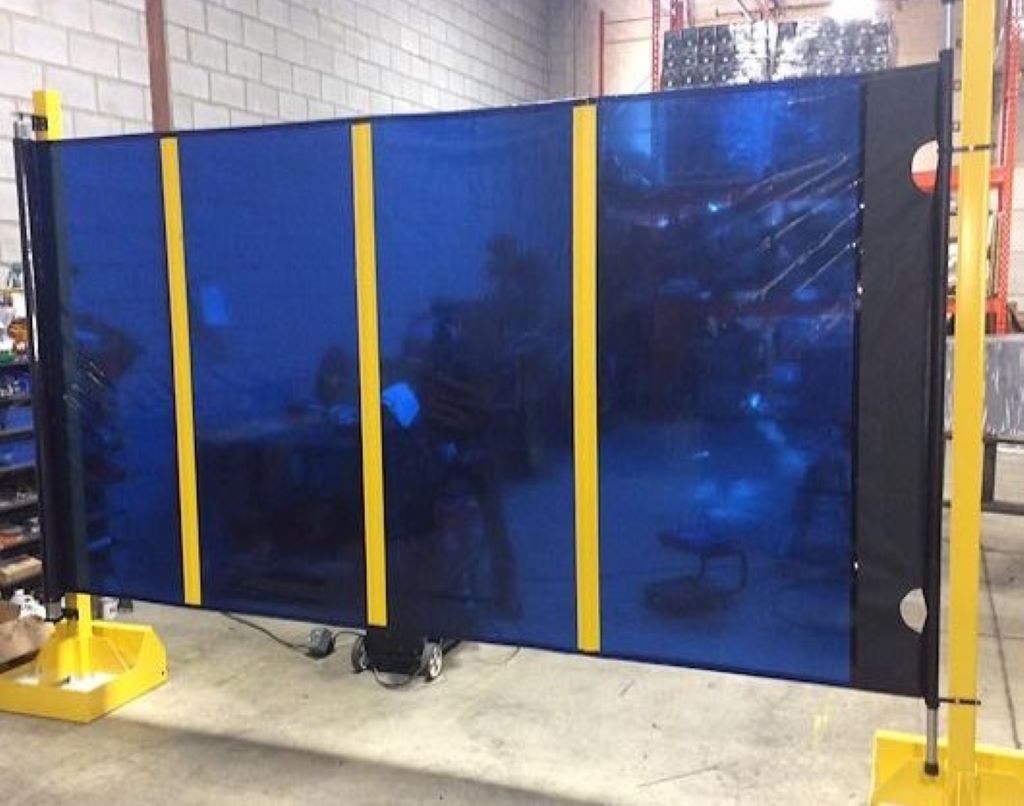
Heavy duty vinyl curtains offer better wind resistance compared to lightweight options. They provide more stability because of their weight and thickness. In addition, reinforced edges prevent tearing when tension increases.
Look for these features when selecting curtains:
- Thick industrial grade PVC material
- Reinforced grommets spaced closely
- Flame resistant certification
- UV protection coating
Because wind stress often starts at weak points, reinforced edges and grommets play a critical role in durability.
Use Strong Frame Structures Instead of Lightweight Stands
A weak frame will fail even if the curtain is strong. Therefore, the support structure must match the environment.
Lightweight portable frames are not suitable for tornado prone areas. Instead, use steel pipe frames or anchored metal structures. These provide the rigidity needed to withstand strong gusts.
To improve stability:
- Anchor frames into concrete whenever possible
- Use weighted bases for temporary setups
- Avoid narrow or top heavy designs
Additionally, cross bracing improves structural integrity. It reduces frame sway, which lowers stress on the curtain itself.
Anchoring Techniques That Actually Work
Anchoring is one of the most important steps in securing welding curtains. Without proper anchoring, even the best materials will fail.
Ground Anchoring Methods
Use ground anchors for outdoor setups. These are especially effective in open construction sites.
Options include:
- Auger style anchors driven into soil
- Concrete bolts for fixed installations
- Heavy sandbags for temporary setups
Each method adds resistance against lifting forces caused by wind.
Wall Mount Anchoring
If you install curtains near a structure, wall mounting is more reliable.
Benefits include:
- Reduced wind exposure
- Better tension control
- Increased durability
Attach curtains using heavy duty brackets and secure fasteners. Avoid plastic fittings since they can break under pressure.
Proper Tensioning Prevents Flapping and Damage
Loose curtains create drag. That drag increases stress and leads to failure. Therefore, proper tensioning is essential.
Use bungee cords or tension straps to keep curtains tight. However, do not overstretch them. Excess tension can damage grommets and seams.
Follow these steps:
- Secure the top edge first
- Attach side anchors evenly
- Adjust bottom tension last
Balanced tension distributes wind load across the entire curtain. As a result, it reduces the risk of tearing.
Wind Break Strategies That Reduce Direct Pressure
Instead of relying only on the curtain, reduce wind exposure itself. Wind breaks help redirect airflow and lower pressure on the curtain surface.
Effective wind break options include:
- Temporary plywood barriers
- Metal panels
- Shipping containers placed strategically
Position these barriers upwind of your welding area. This setup reduces wind speed before it reaches the curtain.
Because airflow changes direction during storms, consider multiple barriers for full coverage.
Using Weighted Bottom Edges for Stability
Adding weight to the bottom edge prevents lifting and flapping. This is a simple but highly effective solution.
Common methods include:
- Chain weighted hems
- Steel rods inserted into pockets
- Sand filled tubes attached at the base
These weights keep the curtain grounded even during sudden gusts.
However, ensure the added weight does not create tripping hazards. Always secure it properly to avoid workplace accidents.
Smart Placement Makes a Big Difference
Where you place your welding curtain matters just as much as how you secure it.
Avoid placing curtains in open wind corridors. These areas accelerate airflow and increase pressure. Instead, position curtains near natural wind blocks such as buildings or walls.
Also consider wind direction patterns in Oklahoma. Storm winds often shift quickly, so plan for multiple angles of exposure.
By choosing the right location, you reduce the load on your securing system.
Routine Inspection and Maintenance
Even the best setup needs regular checks. Wind damage often starts small and grows over time.
Inspect curtains weekly or after any storm event. Focus on:
- Grommet integrity
- Frame stability
- Anchor strength
- Material wear
Replace damaged components immediately. Waiting too long can lead to sudden failure during the next wind event.
Consistent maintenance extends the life of your setup and ensures safety.
OSHA and Safety Compliance Considerations
Safety regulations require proper shielding during welding operations. However, they also expect equipment to be secure and stable.
Failing to secure welding curtains can lead to compliance issues. More importantly, it puts workers at risk.
Follow these general safety practices:
- Ensure curtains fully enclose welding areas
- Prevent gaps caused by wind movement
- Use flame resistant materials
By combining compliance with proper securing methods, you create a safer and more reliable work environment.
Example from Oklahoma Job Sites
On a construction site in central Oklahoma, workers experienced repeated curtain failures during spring storms. Initially, they used lightweight frames and standard vinyl curtains.
After upgrading to reinforced curtains, steel frames, and ground anchors, failures dropped significantly. They also added wind barriers using temporary panels.
As a result, productivity improved, and safety incidents decreased. This example shows that combining multiple strategies delivers the best outcome.
Conclusion
Securing welding curtains in Oklahoma tornado alley conditions requires more than basic setup. You need strong materials, stable frames, proper anchoring, and smart positioning. In addition, tension control and wind break strategies make a major difference.
Do not rely on a single solution. Instead, combine multiple methods for maximum stability and safety. Start upgrading your setup today and protect both your team and your equipment from unpredictable winds.
FAQs
What is the best way to secure welding curtains outdoors?
Use heavy duty curtains, steel frames, and ground anchors together. Combine these with proper tensioning and weighted bottoms for best results.
Can wind damage welding curtains easily?
Yes, strong winds can tear curtains, break frames, and create safety hazards if the setup is not secure.
Are lightweight welding curtains suitable for windy areas?
No, lightweight curtains are not ideal for high wind conditions. Heavy duty reinforced materials perform much better.
How often should I inspect welding curtain setups?
Inspect them weekly and after any major storm. Regular checks help catch small issues before they become serious problems.
Do I need additional barriers besides curtains?
Yes, wind breaks such as panels or walls reduce pressure and improve overall stability.