
Welding plays a vital role in manufacturing, construction, and repair industries. Over 50 percent of fabricated metal products rely on welding for assembly. MIG and TIG welding are two popular methods, each offering unique advantages. Understanding their differences helps you pick the right tool for your project.
What Is MIG Welding?
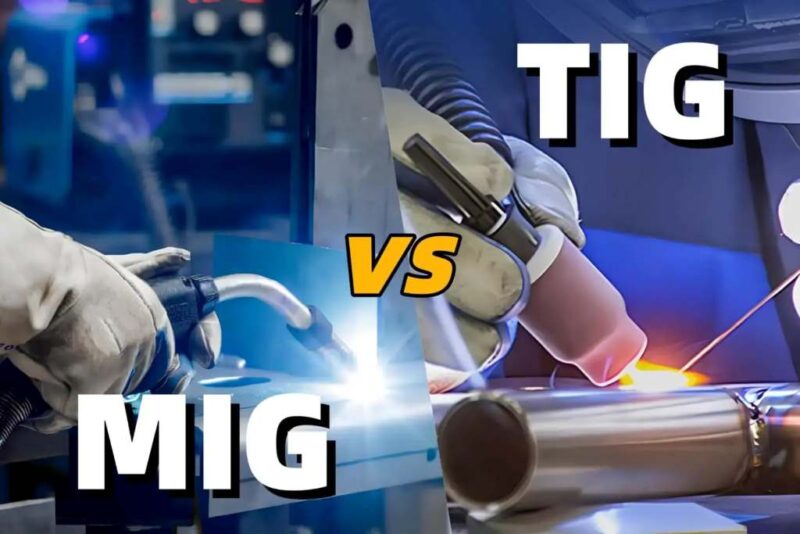
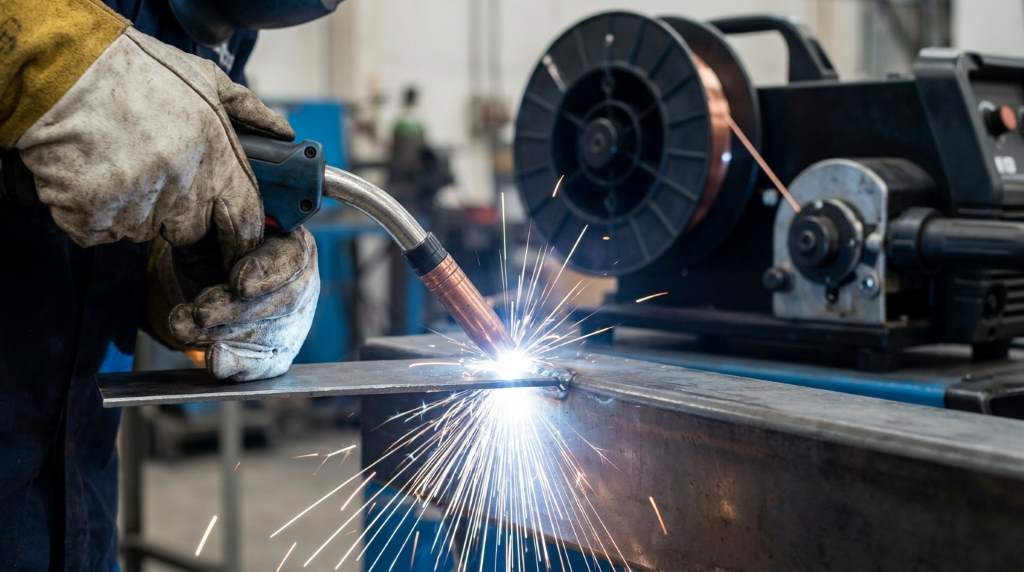
MIG welding stands for Metal Inert Gas welding. It uses a consumable wire electrode to create strong, clean welds. The wire feeds automatically through the welding gun, making it user friendly.
A shielding gas, like argon or a mix of argon and carbon dioxide, protects the weld pool. This gas prevents oxidation and ensures a smooth finish. MIG welding works well on steel, aluminum, and stainless steel.
It is often chosen for its speed and ease of use. Beginners find it simpler to learn compared to other welding methods. The process also allows for longer welds without frequent stops.
MIG welding is ideal for automotive repairs, construction, and DIY projects. Its versatility makes it a popular choice in many industries. The equipment is also relatively affordable and widely available.
What Is TIG Welding?
TIG welding stands for Tungsten Inert Gas welding. It uses a non consumable tungsten electrode to produce the weld. Filler metal is added manually, giving welders precise control.
This method also uses shielding gas, typically argon, to protect the weld area. TIG welding produces high quality, clean welds with minimal spatter. It is often used for thin materials and exotic metals.
The process requires a steady hand and more skill than MIG welding. Welders must coordinate the torch, filler metal, and foot pedal or amperage control. This makes TIG welding more challenging for beginners.
TIG welding is commonly used in aerospace, bicycle frames, and art projects. Its ability to weld thin materials without warping makes it highly valuable. The welds are strong and visually appealing.
Key Differences Between MIG and TIG Welding
Ease of Use
MIG welding is easier to learn and use. The automatic wire feed simplifies the process for beginners. It allows for faster welding speeds and longer continuous welds.
TIG welding requires more skill and practice. The welder must manually feed the filler metal while controlling the torch. This method is slower but offers greater precision.
For beginners, MIG welding is often the better starting point. It provides a good balance of speed and ease. TIG welding is better suited for experienced welders.
Both methods have their place in different projects. Choosing the right one depends on your skill level and project needs.
Weld Quality and Appearance
TIG welding produces cleaner, more precise welds. The welds are often stronger and more visually appealing. This makes TIG ideal for projects where appearance matters.
MIG welding produces strong welds but may have more spatter. The welds are functional but may not look as polished. This method is better for projects where speed is more important than appearance.
For automotive or structural work, MIG welding is often sufficient. For artistic or high precision work, TIG welding is preferred. The choice depends on the desired finish.
Both methods can produce high quality welds when done correctly. The right choice depends on the specific requirements of your project.
Materials and Thickness
MIG welding works well on thicker materials like steel and aluminum. It is less suitable for thin materials due to the heat input. The process can cause warping on thin sheets.
TIG welding excels with thin materials and exotic metals. It can weld materials as thin as 0.002 inches without burning through. This makes it ideal for delicate work.
For projects involving stainless steel, aluminum, or magnesium, TIG welding is often the best choice. MIG welding is better for heavier materials like mild steel.
Both methods can handle a variety of metals. The choice depends on the thickness and type of material you are working with.
Speed and Efficiency
MIG welding is faster and more efficient for long welds. The continuous wire feed allows for uninterrupted welding. This makes it ideal for production work.
TIG welding is slower due to the need for manual filler metal feeding. It requires more stops and starts, which can slow down the process. This method is better for short, precise welds.
For large projects or production lines, MIG welding is the more efficient choice. For detailed or custom work, TIG welding is worth the extra time.
Both methods have their advantages in terms of speed. The right choice depends on the scale and nature of your project.
Cost and Equipment
MIG welding equipment is generally more affordable. The machines are simpler and more widely available. This makes MIG welding a cost effective option for beginners.
TIG welding equipment is more expensive due to its complexity. The machines require more precision and control. This makes TIG welding a larger investment.
For hobbyists or small projects, MIG welding is often the more budget friendly choice. For professional or high precision work, TIG welding may be worth the cost.
Both methods require additional equipment like shielding gas and safety gear. The overall cost depends on the quality and features of the equipment.
Versatility and Applications
MIG welding is versatile and can handle a wide range of materials and thicknesses. It is commonly used in automotive, construction, and manufacturing. The method is also popular for DIY projects.
TIG welding is more specialized and used for precision work. It is ideal for aerospace, bicycle frames, and art projects. The method is also used in the food and beverage industry for stainless steel.
For general purpose welding, MIG welding is often the more practical choice. For specialized or high precision work, TIG welding is the better option.
Both methods have their unique applications. The right choice depends on the specific needs of your project.
Unique Discussion: Welding in Extreme Conditions
Welding in extreme conditions, such as underwater or in space, presents unique challenges. MIG and TIG welding are not typically used in these environments. Instead, specialized methods like friction welding or electron beam welding are employed.
Underwater welding often uses shielded metal arc welding or flux cored arc welding. These methods are more suitable for the wet environment. Welders must be specially trained and certified for underwater work.
In space, welding is done in a vacuum, which requires different techniques. Electron beam welding is commonly used due to its precision and ability to work in a vacuum. This method is used in the aerospace industry for critical components.
Extreme temperature conditions also affect welding. In cold environments, preheating the metal may be necessary. In hot environments, cooling the metal may be required to prevent warping.
Understanding these unique challenges can help welders adapt their techniques. It also highlights the importance of choosing the right welding method for the job.
Which One Should You Choose?
Choosing between MIG and TIG welding depends on several factors. Consider your skill level, project requirements, and budget. Each method has its strengths and weaknesses.
For beginners or those on a budget, MIG welding is often the best choice. It is easier to learn and more affordable. It also offers good versatility for a variety of projects.
For experienced welders or high precision work, TIG welding is the better option. It offers greater control and produces cleaner welds. It is also more suitable for thin materials and exotic metals.
For large scale or production work, MIG welding is more efficient. For custom or artistic work, TIG welding is preferred. The right choice depends on your specific needs.
Both methods are valuable and have their place in the welding world. Understanding their differences can help you make an informed decision.
Safety Tips for MIG and TIG Welding
Welding can be dangerous if proper safety precautions are not taken. Always wear appropriate protective gear, including a welding helmet, gloves, and fire resistant clothing. This protects you from sparks, UV radiation, and heat.
Ensure your workspace is well ventilated to avoid inhaling fumes. Welding produces harmful gases and particles that can be hazardous to your health. Use a respirator if necessary.
Keep a fire extinguisher nearby in case of emergencies. Welding produces sparks that can ignite flammable materials. Always weld in a safe, clutter free environment.
Inspect your equipment regularly for damage or wear. Faulty equipment can cause accidents or produce poor quality welds. Replace any damaged parts immediately.
Follow proper procedures for handling and storing welding gases. Always secure gas cylinders and use them in accordance with the manufacturer’s instructions.
Conclusion
MIG and TIG welding are both valuable methods with unique advantages. MIG welding is easier to learn, faster, and more affordable. TIG welding offers greater precision, cleaner welds, and is better for thin materials.
Choosing the right method depends on your skill level, project requirements, and budget. Both methods have their place in various industries and applications. Understanding their differences can help you make an informed decision.
Whether you are a beginner or an experienced welder, there is a welding method that suits your needs. Consider your options carefully and always prioritize safety.
Start with MIG welding if you are new to the craft. As you gain experience, you can explore TIG welding for more precision and control. Both methods offer rewarding results when done correctly.
Take the time to learn and practice. Welding is a skill that improves with experience. With the right knowledge and tools, you can tackle a wide range of projects with confidence.
FAQ
What is the main difference between MIG and TIG welding?
MIG welding uses a consumable wire electrode, while TIG welding uses a non-consumable tungsten electrode and manual filler metal.
Which method is easier for beginners?
MIG welding is easier for beginners due to its automatic wire feed and simpler technique.
Can TIG welding be used on thick materials?
TIG welding is better suited for thin materials, while MIG welding is more suitable for thicker materials.
Is TIG welding more expensive than MIG welding?
Yes, TIG welding equipment is generally more expensive due to its complexity and precision.
Which method produces cleaner welds?
TIG welding produces cleaner, more precise welds with minimal spatter.